Iranian Revolutionary Guard Strikes 10 Oil Tankers in the Strait of Hormuz
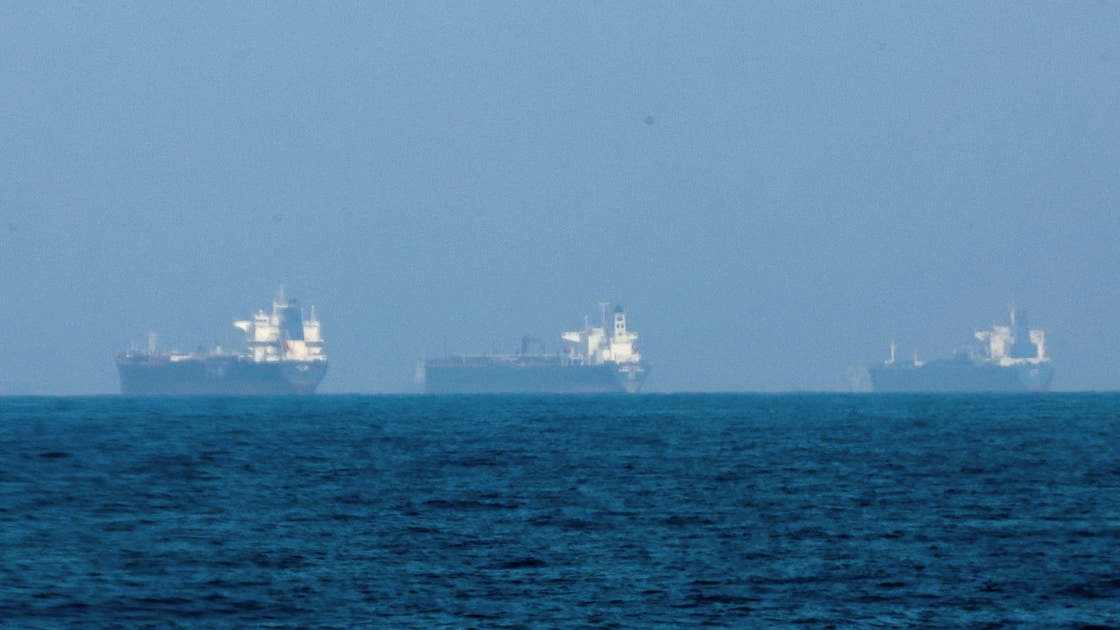
The Iranian Revolutionary Guard announced yesterday evening, Tuesday, March 3, 2026, that more than 10 oil tankers were hit after ignoring security warnings, confirming that the ships did not comply with the "ban on passage" through the Strait of Hormuz.
Iranian officials stated that the aim of these actions was to de-escalate tensions, while attributing the instability to the policies of the United States and Israel.
Mohammad Akbarzadeh, the political assistant to the Revolutionary Guard Navy, stated that the passage of oil, commercial, and fishing vessels through the strait has become impossible, noting that a message was broadcast to the global navigation network indicating that the strait is currently under wartime conditions, with the possibility of ships facing damage from missiles or stray drones.
Akbarzadeh confirmed that repeated Iranian warnings regarding the Strait of Hormuz were not adhered to, leading to the injury of the ten tankers, emphasizing that Iran has always sought to de-escalate and establish security and stability in the Gulf, the region, and the world. However, the actions of U.S. President Donald Trump and Israeli Prime Minister Benjamin Netanyahu since the beginning of the crisis have contributed to increased instability and disruption of the global economy.
In contrast, Trump announced that he has ordered the U.S. International Development Finance Corporation to provide insurance services against political risks and financial guarantees for maritime trade through the Gulf, indicating that the U.S. Navy may escort oil tankers if necessary, affirming via social media that the United States will ensure "the free flow of energy to the world," with the possibility of taking additional actions later.
This escalation comes at a time when the Strait of Hormuz is under full supervision by the Iranian Navy, leading to a rise in global oil prices and unprecedented impacts on the economies of several countries, especially the United States and European Union nations.
Energy experts indicate that the continuation of the current situation for more than three weeks could lead to severe economic crises globally.

