Iran and America: Extension of Ceasefire and Increasing Tensions in Negotiations
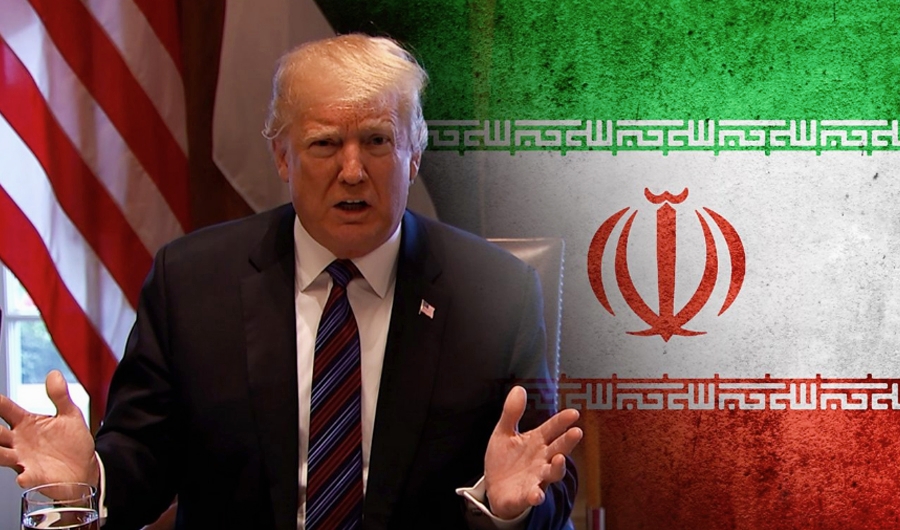
Trump Extends Ceasefire with Iran Until Final Proposal is Presented
US President Donald Trump announced in a statement on his platform "Truth Social" yesterday evening that the ceasefire with Iran has been extended until a unified Iranian proposal is presented and ongoing negotiations are completed.
This decision came at the request of Pakistan, which is mediating between the United States and Iran.
Trump noted that the Iranian government is experiencing deep internal divisions, which hinder reaching an immediate solution.
Trump Reveals Pakistan's Request to Extend the Truce
In the post, Trump clarified that he received a request from Pakistani leaders, including Prime Minister Shahbaz Sharif and Army Chief Asim Munir, to postpone US attacks on Iran to give Iranian leaders and political representatives a chance to formulate a unified proposal.
Trump added that he has instructed his armed forces to continue the American blockade on Iranian ports while maintaining full readiness in case conditions require military action.
Iran Considers Ceasefire Extension an American Maneuver
On the other hand, Iran viewed the extension of the ceasefire as a maneuver to buy time by the Trump administration, indicating that the United States is exploiting the truce to pave the way for a surprise attack.
An advisor to Mohammad Baqer Qalibaf, the Speaker of the Iranian Parliament, confirmed that the continuation of the American blockade on Iranian ports constitutes a provocation that must be responded to militarily, considering that this blockade is no different from direct bombing.
Iran Threatens Military Response to American Blockade
For its part, the Iranian military leadership warned of a strong attack on specific targets if the American blockade continues, while General Majid Mousavi, commander of the aerospace force of the Iranian Revolutionary Guard, emphasized that any attack on Iran would be a strategic mistake.
In this context, both parties face significant challenges to resume negotiations amid escalating regional and international tensions.
Trump Decides to Postpone Peace Talks Due to Iranian Internal Situation
While US Vice President Jay D. Vance was scheduled to leave for Pakistan to attend a second round of peace talks between Washington and Tehran, the White House announced that Vance would not travel to Islamabad, attributing this to internal divisions within the Iranian government.
For his part, Trump clarified that there has been no progress in negotiations due to the deteriorating political situation in Iran, which led Pakistani leaders to request an extension of the truce to allow both sides to reach a mutual understanding.
Pakistan Confirms Importance of Ceasefire Extension
Pakistan, which is mediating between the United States and Iran, announced that the ceasefire will continue until 23:50 GMT on Tuesday, although the initial deadline for the truce was set earlier.
At the same time, Iran has not provided an official response regarding participation in upcoming negotiations, attributing this to the conflicting messages coming from the United States.
Tehran Rejects Resumption of Talks Amid American Pressures
While an advisor to the Speaker of the Iranian Parliament confirmed that Tehran currently sees no prospects for resuming talks with the United States, he pointed out that ongoing American threats, including the continuation of the military blockade on Iranian ports, complicate the situation.
The Iranian military leadership revealed its readiness to respond militarily if escalation from the American side continues.
US President Continues Blockade on Iranian Ports
In a final comment on the extension of the ceasefire, Trump confirmed that the United States will keep the blockade imposed on Iranian ports in place, indicating that this measure is necessary to ensure continuous pressure on the Iranian regime until an official Iranian proposal is presented to end the conflict.
Despite the extended truce, the blockade on the ports remains one of the main contentious points hindering the completion of negotiations between the two parties.
Conclusion: Rapid Developments and Open Files Between America and Iran
Tensions continue between the United States and Iran amid rapid developments in the Iranian nuclear file and international relations.
With the truce extended indefinitely, the most pressing question remains:
Will the parties be able to overcome political obstacles and reach a comprehensive agreement that ensures regional stability, or is military escalation just a matter of time?