How Artificial Intelligence is Changing the Future of the Labor Market? Warning from the International Monetary Fund
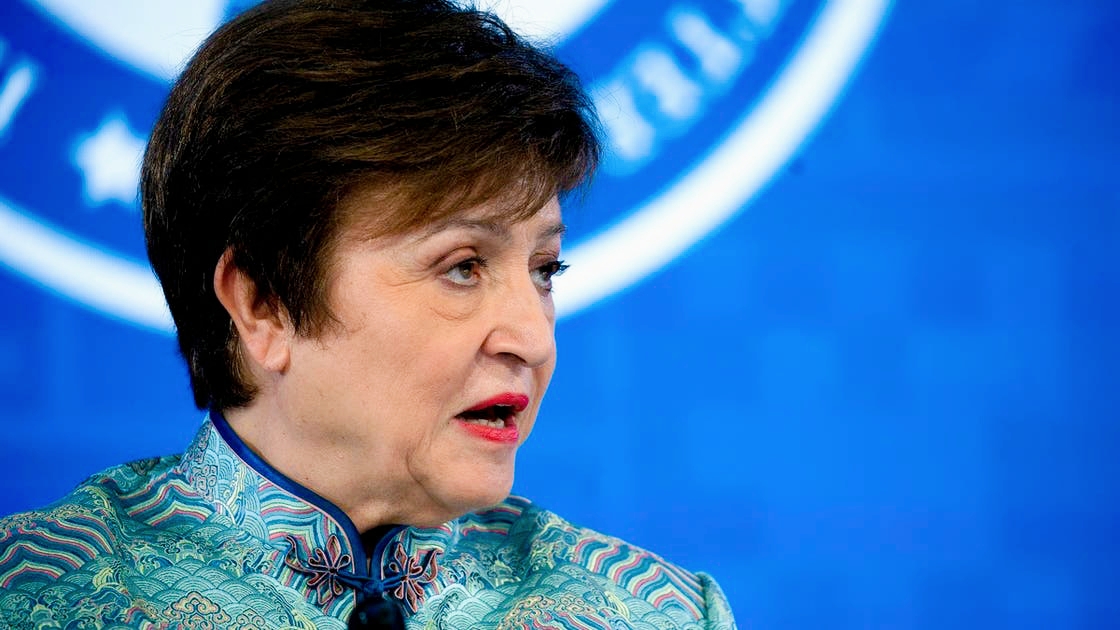
The International Monetary Fund warned that the rise of artificial intelligence leaves a tangible impact on wages and job opportunities, especially in entry-level positions and professions prone to automation, emphasizing that the demand for AI-related skills has not yet contributed to increased employment as other new skills have.
The Fund's Managing Director, Kristalina Georgieva, stated that policymakers need to redesign education to enable young people to use artificial intelligence "instead of competing with it," stressing that the risks extend beyond economic aspects, as work provides people with dignity and meaning in their lives, making the transformation brought about by artificial intelligence critically important.
The International Monetary Fund conducted a comprehensive analysis of millions of job advertisements and worker profiles in sixcountries:
the United States, the United Kingdom, Germany, Denmark, Brazil, and South Africa, revealing that one in ten job advertisements requires a new skill that did not exist ten years ago, such as IT skills and social media management in marketing.
The analysis indicated that jobs requiring these new skills achieved bonuses of between 3% and 3.4% in the United States and the United Kingdom, yet jobs specifically related to artificial intelligence did not lead to employment growth, but rather contributed to job losses in professions most susceptible to replacement by modern technologies.
After five years, regions that saw greater demand for AI skills recorded a 3.6% drop in employment rates compared to other areas.
Georgieva urged governments to provide greater support for workers who lost their jobs due to artificial intelligence, including retraining, transitioning to new opportunities, and enhancing social protection, noting that the greatest demand will be for workers capable of using artificial intelligence integratively with cognitive, creative, and technical skills, rather than just developing it.
This warning comes ahead of the annual meeting of world leaders and executives in Davos, Switzerland, next week, as the world continues to adapt to the rapid transformations imposed by artificial intelligence on the global labor market.
