Historic Precedent.. Ban on Eid Prayer at Al-Aqsa Mosque Amid Rising Tensions
March 20, 20261437 ViewsRead Time: 2 Minutes
Font Size
16
The authorities in Israel have banned the Eid al-Fitr prayer at Al-Aqsa Mosque, in a move described as a historic precedent, coinciding with the continued closure of the mosque for nearly 20 days.
Use of Force to Prevent Worshippers
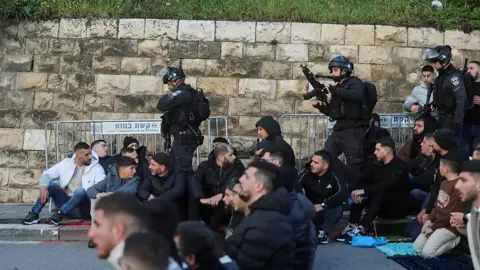
Reports indicated that Israeli police fired sound bombs and tear gas at hundreds of Palestinians who attempted to reach the mosque, especially around the Bab al-Sahira area.
Hundreds of Palestinians also prayed in the nearby streets, particularly in the Bab al-Hatta area, chanting the Takbir of Eid after being prevented from entering.
Unprecedented Closure Since 1967
This closure is considered, according to local sources, the first of its kind since the occupation of Jerusalem during the 1967 war, as the closure of Al-Aqsa Mosque has lasted for weeks under the pretext of security conditions.
Accusations of Changing the Status Quo
The Jerusalem Governorate considered the continued closure of Al-Aqsa Mosque and the ban on prayer there as an "unprecedented escalation" and an attempt to impose a new reality in the city.
It affirmed that the administration of mosque affairs falls under the Islamic Waqf Department, emphasizing that the Israeli measures represent a violation of the freedom of worship and the existing legal status.
Concerns of Religious Escalation
Palestinian entities warned against calls made by extremist groups, including the Return to the Mountain movement, to storm the mosque after Eid coinciding with the Jewish Passover.
A settler was also arrested near the gates of the sanctuary, carrying a goat suspected of intending to use it for a sacrifice inside the mosque courtyards, in a move described as dangerous and affecting the sanctity of the place.
Tense Regional Context
These developments come amid escalating tensions in the region, increasing the sensitivity of the situation in Jerusalem, especially with the intertwining of religious and political dimensions in the ongoing events.