Gold Prices Drop by More than 1% Amid Dollar Rise and Decreased Rate Cut Expectations
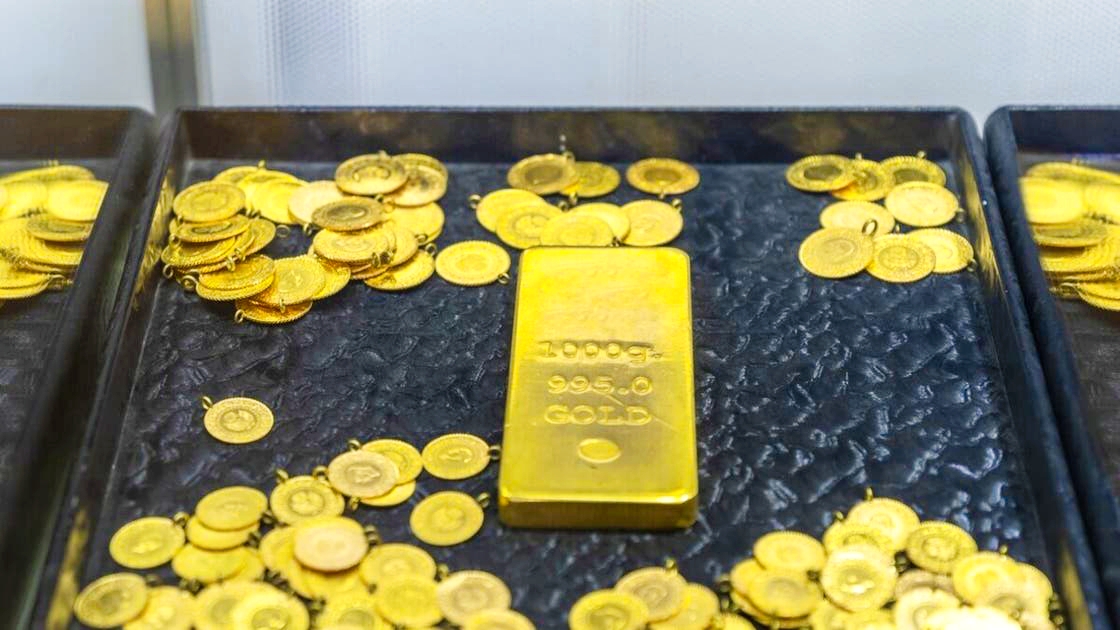
Global Market Movement Summary Today
Gold prices fell today, Monday, by more than 1% to record their lowest level in nearly a week, affected by the rise of the US dollar and the increase in US stock markets, which led to a reduction in expectations for interest rate cuts this year.
In contrast, energy markets experienced a sharp rise as oil prices surged above $100 per barrel due to escalating tensions in the Middle East, increasing global inflation fears.
Silver and platinum prices also declined, while palladium recorded a slight increase.
Gold Drops to Lowest Level in a Week
Gold prices in spot transactions fell by 1.1% to reach $4694.30 per ounce, the lowest level recorded since April 7.
US gold futures for June delivery also dropped by 1.4% to record $4717.80 per ounce.
This decline reflects the increasing pressures on the precious metal due to the strength of the dollar and changes in monetary policy expectations.
Dollar Rise and Its Impact on Gold Prices
The dollar index recorded a significant rise, which increased the cost of gold priced in dollars for holders of other currencies, contributing to a reduction in global demand for the precious metal.
This move comes as reported by Reuters, amid anticipation of US monetary policy decisions.
Oil Surges Above $100 and Rising Inflation Fears
Oil prices rose by more than 7% to exceed $100 per barrel, driven by escalating geopolitical tensions in the Middle East.
This increase followed US actions related to attempts to exert control over Iranian ports and the Strait of Hormuz, amid stalled negotiations between the US and Iran to end the war.
These developments heightened market fears of rising inflation rates globally.
Impact of Tensions in the Strait of Hormuz on Energy Markets
Developments related to the Strait of Hormuz have raised concerns about disruptions in global oil supplies, especially with threats that could affect shipping movements.
The strait is one of the most important maritime routes for transporting oil globally, making any tension there a direct factor in raising energy prices.
Decline in Expectations for US Rate Cuts
Market movements indicate a significant decline in expectations for US interest rate cuts this year, as traders see that the chances of monetary easing have become weak.
This is due to the fact that rising energy prices could lead to increased inflation, limiting the US Federal Reserve's ability to cut rates.
Gold Under Pressure from Monetary Policies and Rising Rates
Gold is known as a non-yielding asset, and therefore tends to rise in environments of low interest rates.
However, with expectations of continued high rates from the US Federal Reserve, pressures on gold prices increase, reducing its investment appeal.
Performance of Other Precious Metals in Markets
Other precious metals have seen a decline in performance, with silver dropping by 1.9% to record $74.45 per ounce, and platinum decreasing by 1.3% to $2019.35.
In contrast, palladium rose by 0.7% to reach $1531.50 per ounce, moving against the trend of other metals.
Impact of War and Geopolitical Tensions on Gold
Gold prices have dropped by more than 11% since the start of the US-Israeli war on Iran on February 28, reflecting sharp market fluctuations due to geopolitical events.
Inflation expectations and rising energy prices have also contributed to increased uncertainty in global markets.
Market Expectations Regarding Interest Rates
Before the escalation of tensions in the Middle East, markets expected the US Federal Reserve to cut interest rates twice this year.
However, current economic developments have clearly reduced these expectations, negatively impacting gold performance.
Gold's Role as a Safe Haven in Global Markets
Gold typically rises during periods of low interest rates and economic uncertainty, but the current conditions combining a strong dollar and expected rising rates have led to clear selling pressures on the precious metal, despite ongoing geopolitical tensions.