Gold and Silver Decline for the Second Consecutive Week: What Does It Mean for Investors?
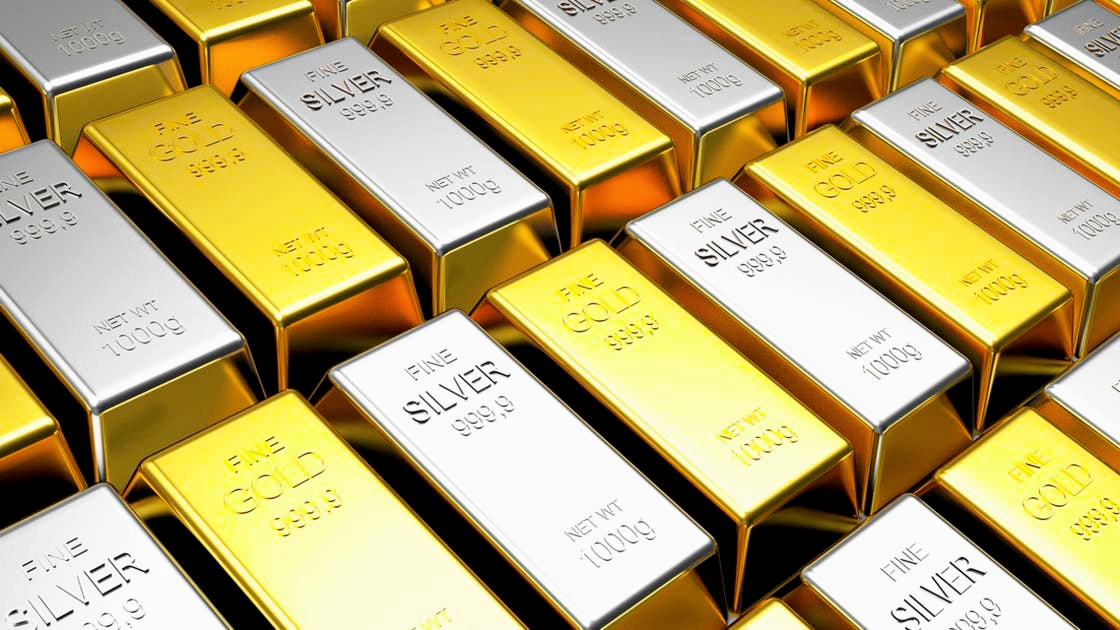
Prices of gold and silver are under strong pressure, heading for weekly losses for the second consecutive time, amid a rise in the dollar and a decline in risk appetite among investors due to concerns over the performance of technology and artificial intelligence stocks.
Gold rose slightly by 0.4% in spot transactions to reach $4790.80 per ounce, but is heading for a weekly decline of 1.4%, while U.S. gold futures for April delivery fell by 1.7% to $4806.50 per ounce.
As for silver, it stabilized in spot transactions at $71.32 per ounce after declining by 19.1% in the previous session, recording a weekly loss of about 16%, the largest weekly drop since 2011, amid weak risk appetite in the markets.
Elia Spivak, head of global macroeconomic research at "Tasty Live", noted that "the appetite for risk has clearly decreased, with falling stock markets and a sharp collapse in Bitcoin's value, making gold relatively more stable, while silver is under significant pressure."
In the same context, JPMorgan expects silver to remain prone to significant corrections due to its relatively high valuations, with a forecast for a lower level in the near term between $75 and $80 per ounce, and a gradual recovery towards $90 next year.
Regarding currencies, the dollar remained near its highest level in two weeks, heading for its strongest weekly performance since November, which increases the cost of dollar-denominated assets for holders of other currencies.
Investors expect, according to the "Fed Watch" tool, at least two interest rate cuts of 25 basis points during 2026, with the first cut expected in June, which typically supports the performance of non-yielding assets like gold.
In other metals, platinum fell by 4.7% in spot transactions to $1892.74 per ounce after reaching an all-time high of $2918.80 on January 26, while palladium rose by 0.8% to $1628.95 per ounce, with expectations of continued weekly losses for the miners.