Germany Transfers 300,000 Nuclear Fuel Balls in Largest Land Transport Operation in Decades
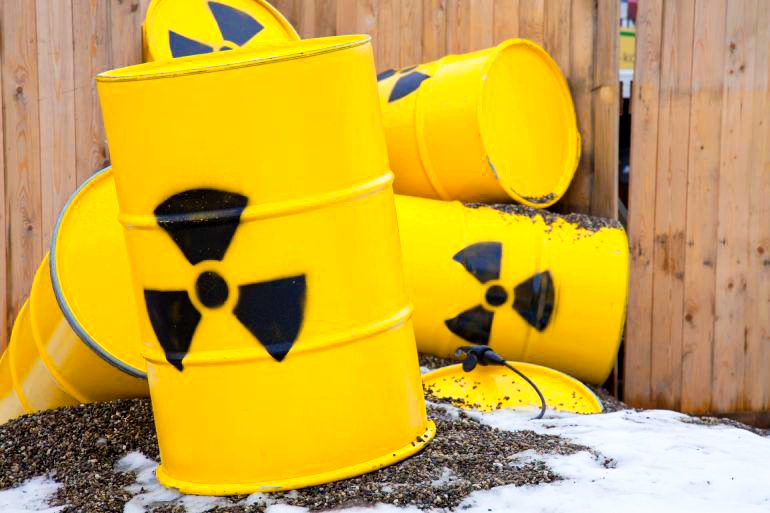
Germany Begins Controversial Nuclear Waste Transport in North Rhine-Westphalia
Germany has started operations to transport nuclear waste in the state of North Rhine-Westphalia, the most populous state, amid objections and security concerns, according to a spokesperson for the state's interior ministry to the German news agency (dpa).
This move is part of a plan to transport around 300,000 nuclear fuel balls from a decommissioned research reactor in the city of Jülich.
First Convoy Carrying a "Castor" Container Arrives Safely in Ahaus
The first convoy, carrying a "Castor" container, left the Jülich reactor site in the west of the country on Tuesday evening and arrived at a temporary storage facility in the city of Ahaus on Wednesday morning after about four hours of travel.
The shipment was secured with intensive police escort, and around 2,400 security personnel were deployed to ensure the safety of the transport.
Details of the Transport Operation: 152 Trips and Vehicles and Helicopters
This operation is the first of 152 planned trips to transport radioactive waste over a distance of about 170 kilometers.
The convoy included about 100 vehicles, and a helicopter was used to secure the operation, which proceeded entirely according to the scheduled timeline, even slightly faster than planned.
History of Waste Storage and Safety Procedures
The waste has been temporarily stored in Jülich since the site's operating license expired in 2013.
The state authorities ordered its removal in 2014 due to safety concerns in the event of earthquakes.
Approval for the transport plan was issued by the German Federal Office for the Safety of Nuclear Waste Management in August 2025, and there are four specialized vehicles, each capable of transporting one container at a time.
Local Objections and Protests Against Waste Transport
The transport plan faced objections from residents and activists in Ahaus, Jülich, and Duisburg, with several protests organized along the convoy's route.
Dozens to several hundred people participated in the protests, but they did not delay the transport operation, according to a reporter from the German news agency.
Legal Status and Court Decisions Regarding Transport
The transports came after a series of court rulings, including a decision in March 2026 by a higher administrative court that allowed the transport operations to proceed after the environmental protection group "BUND" attempted to obstruct the transport based on safety concerns.
Lack of Permanent Repository for Nuclear Waste Storage in Germany
Germany currently does not have a permanent repository for safely storing radioactive waste for periods extending to hundreds of thousands of years.
Instead, there are 16 temporary storage facilities, including the facility in Ahaus that received the first convoy.