From Power to Art... What Do You Know About Saif al-Islam Gaddafi's Life Before His Assassination?
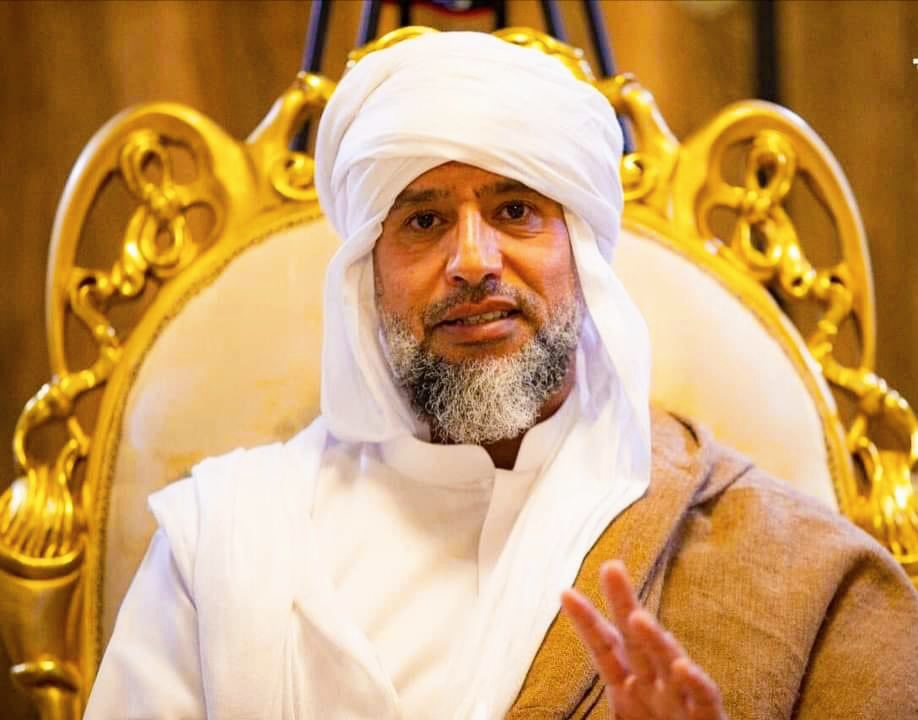
Saif al-Islam Gaddafi, the eldest son of the late Libyan Colonel Muammar Gaddafi, was assassinated at his home south of the city of Zintan in western Libya, by four gunmen who fled quickly after the incident, according to a source close to the family.
In contrast, the 444 Brigade, a military faction affiliated with the Government of National Unity, denied any connection to the incident, stating in an official statement that it had no link to the clashes that occurred in the city.
* Who is Saif al-Islam Gaddafi?
Born on June 25, 1972, Saif al-Islam is the eldest son of Gaddafi's second wife and the second of the Libyan leader's nine children.
He graduated in 1995 from Al-Fateh University in Tripoli with a degree in architecture, then continued his studies in business administration in Vienna, Austria, earning a certificate from the "International Business School."
In 2008, he obtained a PhD from the London School of Economics and Political Science (LSE).
Although he did not hold an official position in the government, Saif al-Islam was an influential leader within the Libyan regime, leading foreign negotiations and handling internal issues before his father's fall in 2011.
* A Controversial Trial and Political Rise
On June 27, 2010, the International Criminal Court issued arrest warrants for Saif al-Islam, his father, and some regime leaders, accusing them of committing crimes against humanity during the suppression of popular protests.
After the fall of Gaddafi's regime, Saif al-Islam was arrested on November 19, 2011, near the town of Obari.
He was sentenced to death in absentia in 2015 after a trial in which he was convicted of war crimes, including the killing of protesters, but the sentence was later annulled, and he was released in June 2017 under an amnesty law, remaining in Zintan until his assassination today.
* Attempts to Return to Power
In 2021, Saif al-Islam officially announced his candidacy for the presidential elections in Libya, as supporters of the former regime saw his return to the political scene as a glimmer of hope, but the elections were not completed due to legal and political disputes.
* Unexpected Hobbies
Saif al-Islam was known for his love of wildlife, as he raised tigers and falcons, and he was an amateur painter passionate about the arts, a rare aspect of his life away from politics and legal controversies.
* In Conclusion:
With the departure of Saif al-Islam Gaddafi, a chapter of contemporary Libyan history filled with political controversy and family conflicts comes to an end, and his memory remains linked to contradictory images:
Between a political leader who sought to return to power, a nature and art lover, and a man who sparked widespread controversy on both local and international levels.
His fate reminds us that modern Libyan history is still full of sudden transformations and unresolved conflicts.


