Estimates of 12,000 Mines in the Strait of Hormuz Raise International Concerns
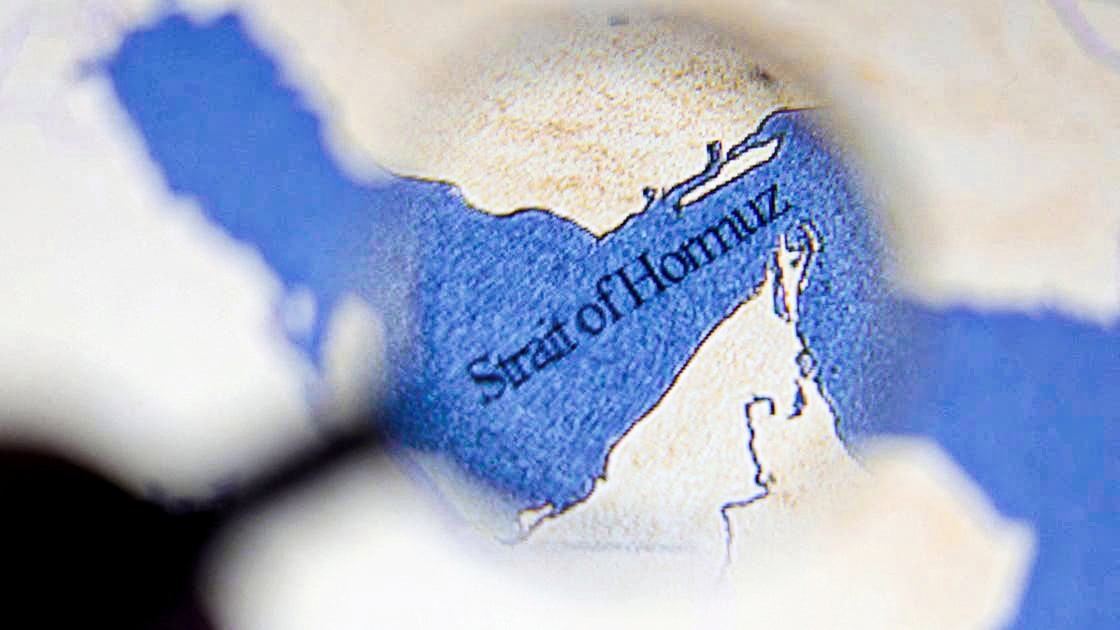
Tensions Rise in the Strait of Hormuz After Islamabad Negotiations Fail
The Strait of Hormuz has returned to the forefront of international tensions following the failure of negotiations in Islamabad, leading to escalating disputes between the United States and Iran.
This maritime passage is one of the most important global routes for energy transport, with about 20% of the world's energy supplies passing through it, making it a sensitive point in any geopolitical escalation.
The United States Begins Mine Clearance Operation in the Strait of Hormuz
The United States announced the start of a military operation titled "Clearing the Strait of Hormuz," using two guided missile destroyers, the "USS Frank E. Peterson Jr." and the "USS Michael Murphy."
The aim of this operation is to create a safe and mine-free navigation corridor, ensuring the continuation of international maritime transport without threat.
Plan to Sink Ships and Boats to Remove the Threat of Sea Mines
As part of this operation, President Donald Trump revealed a plan that includes sinking 28 ships and boats believed to be used for laying mines, which currently rest on the seabed.
He confirmed that this step is part of efforts to protect global navigation, noting that the United States possesses advanced mine-clearing equipment being transported to the region.
Conflicting Estimates of the Number of Mines in the Strait of Hormuz
Estimates indicate the presence of thousands of sea mines in the Strait of Hormuz, with conflicting figures between Tehran and Washington.
While Iran estimates the number at around 5,000 mines, the United States suggests that the number could reach 12,000 mines, reflecting the scale of the challenge in dealing with this threat.
Widespread Mine Distribution Threatens International Navigation
According to estimates from the American Institute of War, mines cover an area estimated at about 1,394 square kilometers, extending across the strait and its surroundings, including the main shipping routes.
This widespread distribution complicates the securing of maritime corridors.
The Nature of Mobile Mines Increases Removal Difficulty
The danger is not limited to the number of mines alone, but also includes their nature, as some are not stationary and can move due to water currents.
This makes it difficult to accurately locate them or establish fixed safe corridors, increasing risks for passing ships.
Iran: The Strait is Open to Civilians with Warnings Against Warships Approaching
For its part, Iran announced through the Revolutionary Guard that the Strait of Hormuz will remain open to civilian ships, while warning that the approach of any warship constitutes a breach of the truce, reflecting ongoing tensions in the region despite conflicting statements about securing navigation.
Direct Threat to Global Energy Supplies via the Strait of Hormuz
The continued spread of mines in the Strait of Hormuz poses a direct threat to global energy supplies, especially with a significant portion of oil exports relying on this vital passage.
The uncertainty surrounding the number of mines and their locations increases fears about the stability of global energy markets.