Economic expert Mohamed El-Erian warns of the end of globalization and signals a new phase of "fragmentation"
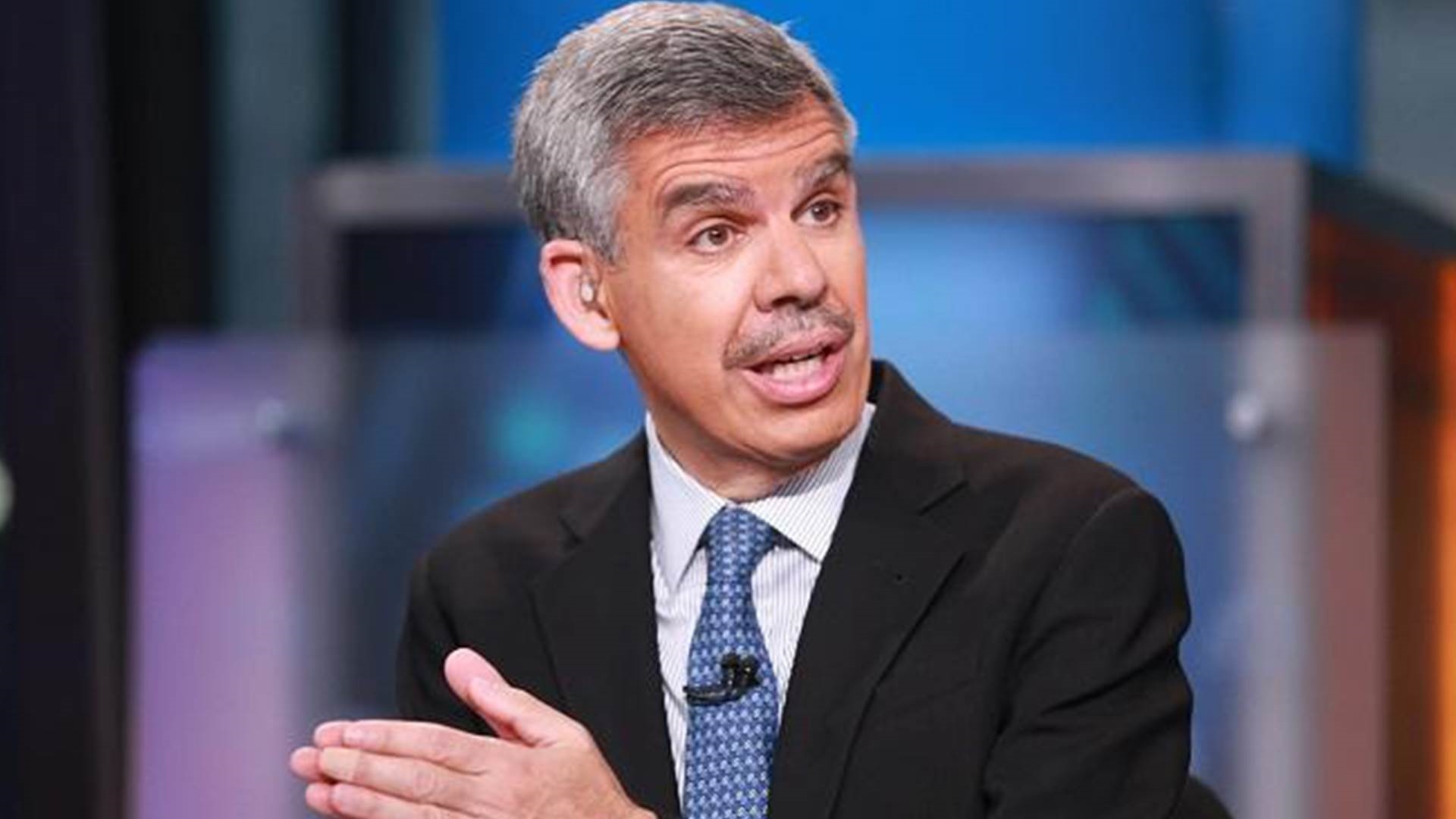
Dr. Mohamed El-Erian, the global economic expert and chief economist at "Allianz", urged countries to undertake a strategic repositioning focused on resilience and flexibility to face profound global transformations, warning that the international economic landscape no longer operates according to its usual rules.
This came during his participation in the development finance conference "MOMENTUM 2025" held in Riyadh under the slogan "Leading Development Transformation", where El-Erian pointed out that traditional globalization has ended, replaced by a new phase he described as "fragmentation", emphasizing that "the world is not collapsing under its rules, but is changing even at its highest levels, which forces us to reconsider economic policies."
El-Erian explained that there are fundamental reasons driving us to expect the unexpected, the most prominent of which is the tremendous technological advancement that has become a major driver of change, noting that artificial intelligence is the primary driver of current economic changes, alongside technical sciences and quantum computing that will have a significant impact over the next decade.
Regarding the two main narratives governing the current scene, El-Erian indicated that at the local level, economies no longer operate according to the traditional pattern, but rather need to liberalize regulations and facilitate investment in a world where trade and investments are used as tools of pressure. On the global level, we have shifted from an era of absolute globalization to a world characterized by fragmentation, which former British Prime Minister Gordon Brown described as "manageable globalization".
El-Erian stressed that these rapid transformations, whether geopolitical or technological, compel major countries, including Saudi Arabia, to focus on economic diversification, enhance human capital, and invest in vital sectors to strengthen resilience.
He pointed out that success in this changing world requires possessing three main components: resilience in the face of shocks, the ability to recover after challenges, and different thinking to reshape strategies in line with the new reality.
El-Erian concluded by saying: "These characteristics will greatly assist at the level of local markets and enable economies to achieve the appropriate change in a rapidly transforming world."
