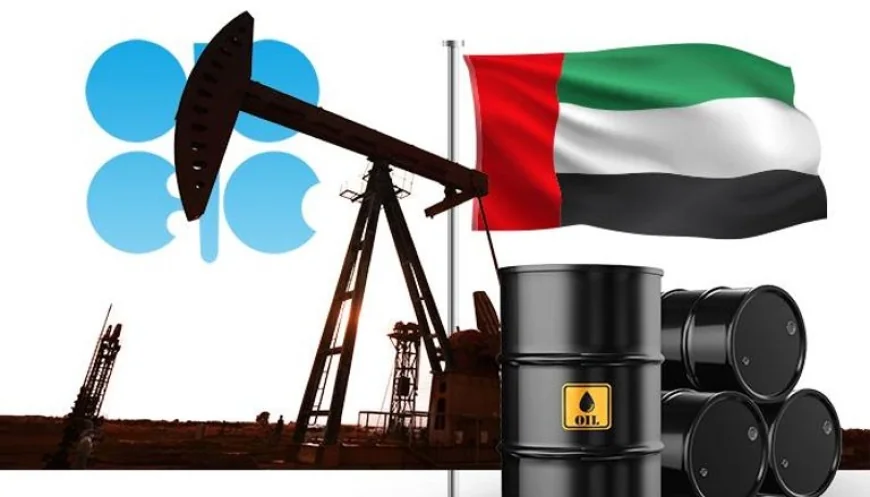
Earthquake in Energy Markets: UAE Announces Exit from OPEC and OPEC+ Alliance and Plans to Increase Production
Independent Production Strategy: Gradual and Thoughtful Increase
The UAE clarified in its official statement issued today, Tuesday, that the decision to withdraw is part of its strategic vision to maximize the benefits from its oil resources and growing production capabilities. The country indicated that it will continue to gradually and thoughtfully increase its crude production, in line with global demand forecasts and changing market conditions, emphasizing its complete independence in making production decisions away from the quota system imposed by the organization.
Record Growth: UAE Controls 11% of OPEC Production in 2025
This move is supported by strong figures achieved by the country over the past year; data revealed that the UAE accounted for a share of up to 11% of OPEC's total oil production in 2025. This significant growth reflects the massive investments made by "ADNOC" to increase production capacity, prompting the country to feel the need to free itself from production constraints to meet the needs of its international clients and achieve its economic targets for 2026 and beyond.
Implications of the Decision on the OPEC+ Alliance and Future Markets
Economic analysts believe that the UAE's exit represents the biggest challenge to the OPEC+ alliance since its establishment, especially since the UAE is the third-largest producer in the organization. This decision is expected to lead to a comprehensive reassessment of production cut agreements, amid fears of a new price war or a surplus in global supply if other countries follow Abu Dhabi's lead in seeking to independently increase their market shares.