Clean Energy Leads the World Towards China.. Has a New Era of Dominance Begun?
April 20, 2026849 ViewsRead Time: 2 Minutes
Font Size
16
The repercussions of the war in Iran and rising oil and gas prices have forced governments to redraw their energy policies.
From the European Union to Asia, plans for renewable energy have accelerated as a long-term strategic option to reduce price shocks.
Why do countries rely on China for clean energy technologies despite concerns?
Despite the pursuit of independence, countries find themselves facing a clear economic reality: Chinese products are cheaper and more available.
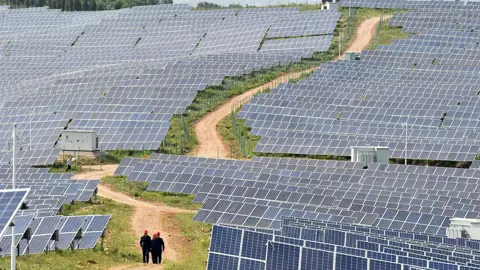
From solar panels to batteries and electric cars, China has become the main supplier, enhancing its influence in the global clean energy market.
Is dependency shifting from fossil fuels to Chinese technology?
This shift raises growing concerns within Europe.
European official Stefan Sigourney expressed this clearly, questioning the point of decarbonization if the core technologies are made in China, referring to the risks of a new dependency.
What is the extent of China's dominance in the global clean energy market?
Figures reveal near-total control; China produces about 80% of the world's solar panels and leads the battery and electric vehicle markets.
It also dominates the refining of critical minerals, including rare earth elements used in renewable energy technologies.
How is the energy crisis reshaping the global economic map?
The crisis has led to exceptional measures globally, from reducing energy consumption in Asia to rising import costs in Europe.
In contrast, China has strengthened its presence through investments and exports, benefiting from the increasing demand for clean energy solutions.
Is China benefiting more from traditional energy conflicts?
Observers believe that the United States is engaged in traditional fuel conflicts, while China reaps the benefits of the green transition.
Senator Brian Schatz summarized the scene by stating that China is emerging as a beneficiary of this global shift.