CENTCOM Announces Ban on 70 Oil Tankers from Entering or Leaving Iranian Ports
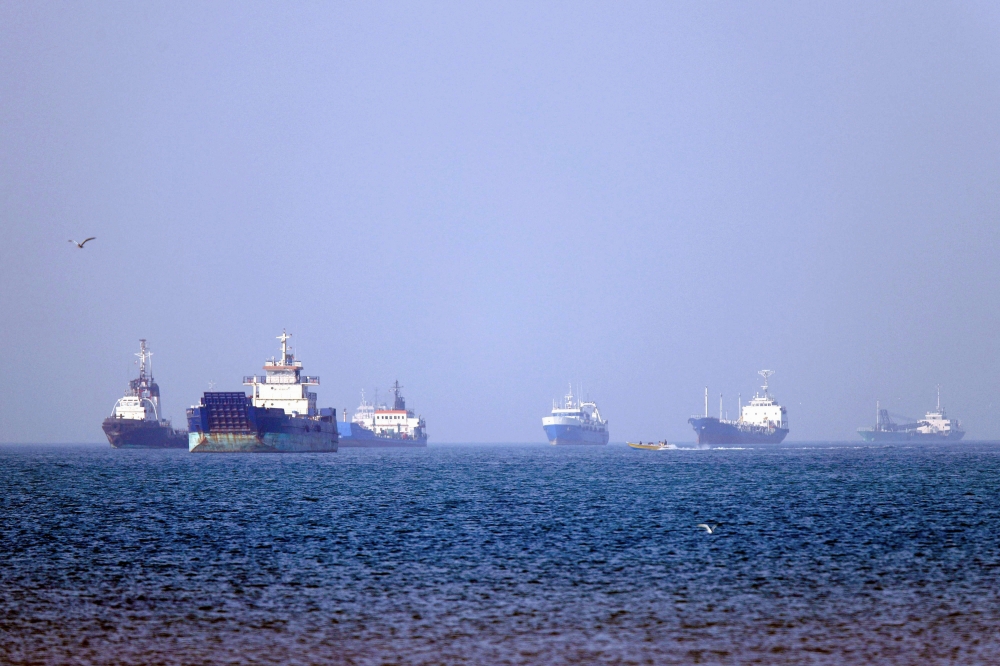
CENTCOM: More than 70 Oil Tankers Prevented from Entering or Leaving Iranian Ports
The U.S. Central Command (CENTCOM) announced today, Friday, May 8, 2026, that U.S. forces have prevented more than 70 oil tankers from entering or leaving Iranian ports, as part of the ongoing U.S. maritime blockade on Iran since April 13.
CENTCOM confirmed in an official statement that the commercial vessels prevented have the capacity to transport over 166 million barrels of Iranian oil, with an estimated value exceeding $13 billion, reflecting the increasing economic impact on Tehran due to the maritime escalation in the region.
U.S. Maritime Blockade on Iran Continues Since April
The U.S. Central Command clarified in a post on X platform that U.S. forces continue to impose strict maritime restrictions on navigation related to Iranian ports, noting that the prevention operations include commercial ships and oil tankers attempting to enter or leave.
This comes amid rising military tensions between the United States and Iran in the Gulf region and the Strait of Hormuz, with international concerns about the impact of the crisis on global energy supplies.
Targeting Tankers Attempting to Breach the U.S. Blockade
Informed sources, reported by "Fox News," stated that the U.S. military targeted empty oil tankers attempting to breach the maritime blockade and reach Iran, in a development reflecting Washington's strict enforcement of its military and economic measures against Tehran.
No immediate official comment has been issued by Iranian authorities regarding this information, while the security tension continues in the strategic maritime corridors of the Arabian Gulf.
Marco Rubio: Iran's Control Over the Strait of Hormuz is Unacceptable
In conjunction with the maritime escalation, U.S. Secretary of State Marco Rubio emphasized during a press conference that Iran's control over the Strait of Hormuz is "unacceptable in any form."
Rubio stated that Tehran "claims to control an international waterway, but the United States will not allow that," referring to the strategic importance of the strait through which a significant percentage of global oil and gas exports pass.
U.S. Forces Confirm Sinking Iranian Boats in the Strait of Hormuz
The U.S. Secretary of State stressed that U.S. forces are sinking Iranian fast boats that may pose a threat to commercial vessels in the Strait of Hormuz, confirming the continuation of military operations to protect international navigation and secure maritime trade routes.
The Strait of Hormuz is one of the most important maritime corridors in the world, as about one-fifth of global oil and gas shipments pass through it, making any military escalation there of wide economic and political interest.
Washington Awaits Iranian Response Amid Ongoing Military Tension
Marco Rubio announced that the United States expects to receive an Iranian response within the coming hours, expressing hope that the response will be positive and contribute to de-escalation between the two sides.
The exchange of gunfire between U.S. and Iranian forces in the Strait of Hormuz on Thursday night raised doubts about the possibility of quickly reaching an agreement to end the confrontations, despite U.S. President Donald Trump's assertion that the ceasefire between the two sides is still in effect.
Washington Announces Targeting Iranian Military Facilities After Maritime Attacks
The United States announced that it targeted Iranian military facilities following attacks on several of its ships in the Strait of Hormuz, which has become a major confrontation point since the outbreak of the U.S.-Israeli war against Iran on February 28.
The U.S. Central Command confirmed that Iranian forces launched missiles and drones at three U.S. warships without causing direct injuries, noting that U.S. forces successfully thwarted the threat and responded by targeting ground bases inside Iran.
Iran Accuses Washington of Violating Ceasefire Agreement
For its part, the Khatam al-Anbiya Headquarters, which is the central operations room of the Iranian armed forces, accused the United States of violating the ceasefire agreement in effect since April 8.
The Iranian side clarified that the clashes began after U.S. naval forces targeted two ships, one of which was an Iranian oil tanker, prompting Iranian forces to respond by launching missiles and drones before Washington launched attacks on what Tehran described as "civilian areas" in the south of the country.
Iranian Threats Disrupt Navigation in the Strait of Hormuz
Repeated Iranian threats to commercial vessels since the outbreak of the war have disrupted navigation in the Strait of Hormuz, raising global concerns about the stability of energy markets and international supply chains.
The U.S. maritime blockade imposed on Iranian ports has also increased economic pressures on Iran, which was already suffering from economic crises and international sanctions even before the outbreak of the recent war.