America Warns Ships in the Strait of Hormuz Amid Rising Tensions with Iran
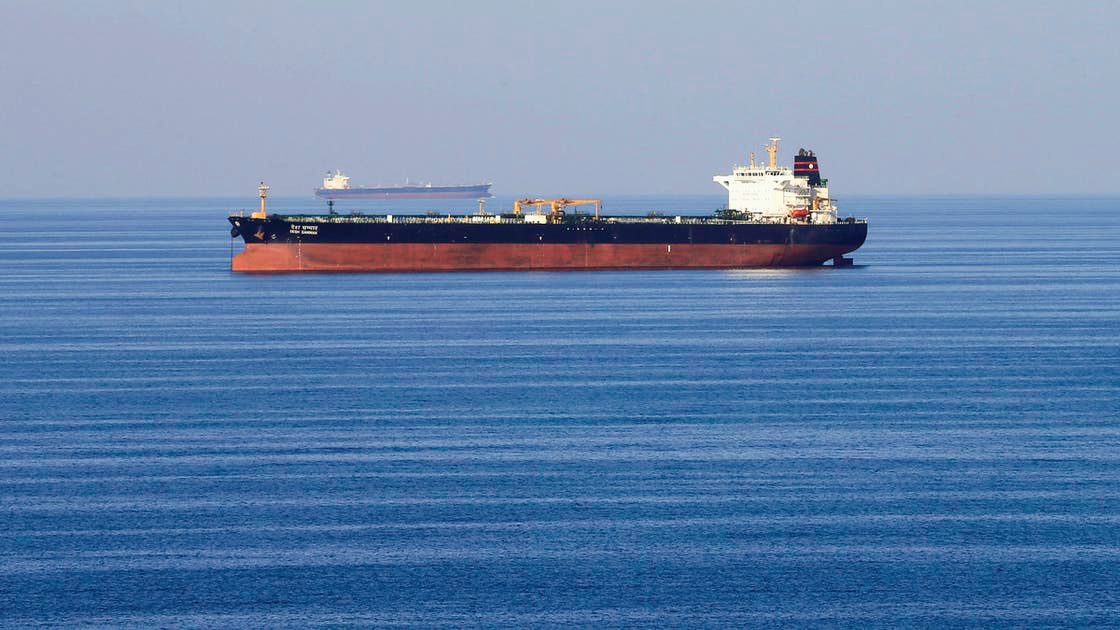
The United States issued new guidelines yesterday, Monday, for its commercial ships transiting the Strait of Hormuz, amid escalating tensions between Washington and Tehran over the Iranian nuclear program.
This move comes after previous Iranian threats to close the strait, part of which falls within Iranian territorial waters, and its occasional seizure of oil tankers and commercial ships under the pretext of combating smuggling.
The U.S. Maritime Administration warned ships flying the U.S. flag to stay away from Iranian territorial waters, emphasizing the need to refuse any verbal request from Iranian forces to board the vessels, and not to resist the crew if that occurs, in order to ensure the safety of the ships and their crews.
The guidelines published on the administration's website state:
"Commercial vessels flying the U.S. flag are advised to stay as far away as possible from Iranian territorial waters without compromising navigational safety. If Iranian forces board the vessel, the crew should not resist the boarding team by force."
In a related context, the Iranian Foreign Minister announced on Friday that nuclear talks mediated by Oman have started well and are set to continue, which may alleviate concerns that failure to reach an agreement could lead to military tensions in the Middle East.
Meanwhile, the United States emphasized that any potential nuclear agreement must also include the issue of Iranian ballistic missiles, Tehran's support for armed groups in the region, and human rights.
In an additional move to increase pressure on Iran, President Donald Trump issued an executive order on Friday imposing a 25% tariff on imports from any country that purchases goods from Iran, whether directly or indirectly.
With these developments, the Strait of Hormuz, the most important global oil transit route, remains in the spotlight, amid international concerns about any potential escalation that could affect global energy prices and maritime security.


