America Proposes an International Coalition to Restore Navigation in the Strait of Hormuz
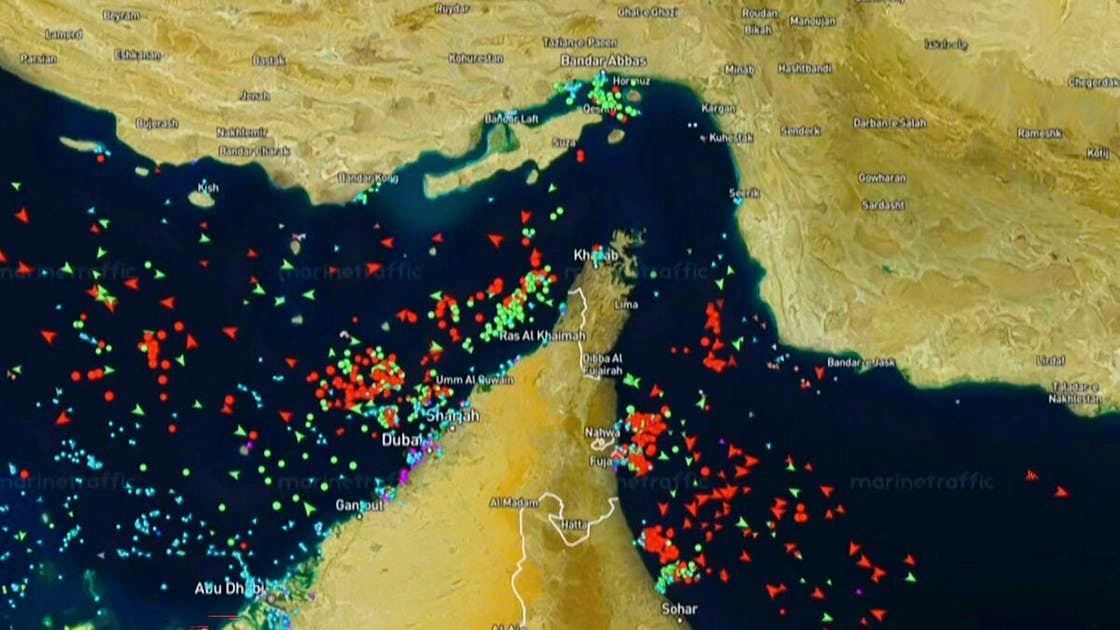
New American Coalition to Ensure Freedom of Navigation in the Strait of Hormuz
In a new step to enhance international navigation security, the U.S. administration is seeking to form an international coalition under the name "Building Maritime Freedom," aimed at re-securing the movement of ships through the Strait of Hormuz and ensuring the continued flow of global trade through this vital corridor.
Goals of the Proposed Coalition and Coordination of International Efforts
According to an internal cable from the U.S. State Department, the coalition aims to coordinate diplomatic efforts among participating countries, in addition to sharing information and imposing sanctions, as reported by The Wall Street Journal.
Partnership Between the U.S. State Department and Central Command
The cable clarified that the coalition will be a partnership between the U.S. State Department and U.S. Central Command, with the State Department managing diplomatic coordination, while Central Command provides direct support in monitoring the maritime domain and sharing information related to commercial shipping movements.
Confronting Iranian Threats in the Strait of Hormuz
The coalition focuses on enhancing "freedom of navigation" in the Strait of Hormuz, emphasizing the importance of collective action to confront what Washington describes as "Iranian challenges," including the potential for laying sea mines or targeting oil tankers, threats that hinder traffic in this strategic corridor.
Washington Views the Coalition as a Diplomatic and Political Tool
In this context, a senior U.S. official confirmed that the initiative represents one of the diplomatic and political tools the United States relies on to ensure the continued flow of global trade through vital maritime corridors.
The U.S. Military Confirms the Effectiveness of the Naval Blockade on Iran
Simultaneously, the U.S. military announced on Wednesday that the naval blockade imposed on Iran is yielding "very effective" results, noting its success in reducing maritime trade to and from Iranian ports.
Significant Economic Losses for Iran Due to the Blockade
An official statement indicated that intensive U.S. operations have contributed to preventing the flow of goods by sea, resulting in Iran being deprived of more than $6 billion, in addition to significantly disrupting Iranian oil exports.
Donald Trump Insists on Continuing the Blockade Until a Nuclear Agreement
Earlier, U.S. President Donald Trump emphasized that the naval blockade will continue until Tehran agrees to a deal that alleviates Washington's concerns regarding its nuclear program.
Background of the Blockade Imposed After Failed Islamabad Talks
It is worth noting that the United States imposed a complete naval blockade on Iran on April 13, following the failure of the first round of direct U.S.-Iranian talks held in the Pakistani capital, Islamabad, which aimed to end the war that erupted on February 28.
Washington Links Lifting the Blockade to Opening the Strait of Hormuz
In recent days, the U.S. administration has confirmed that the blockade will remain in place until the Strait of Hormuz is opened and an agreement is reached that meets its demands regarding regional security and the Iranian nuclear program.
Tehran Conditions Lifting the Blockade Before Discussing Opening the Strait
In contrast, Iran continues to emphasize the necessity of lifting the naval blockade first before entering any discussions about reopening the Strait of Hormuz, which has seen significant disruption in navigation since the outbreak of the war on February 28 due to escalating threats.