15% Tariffs and New Economic Agreement Between the United States and Taiwan
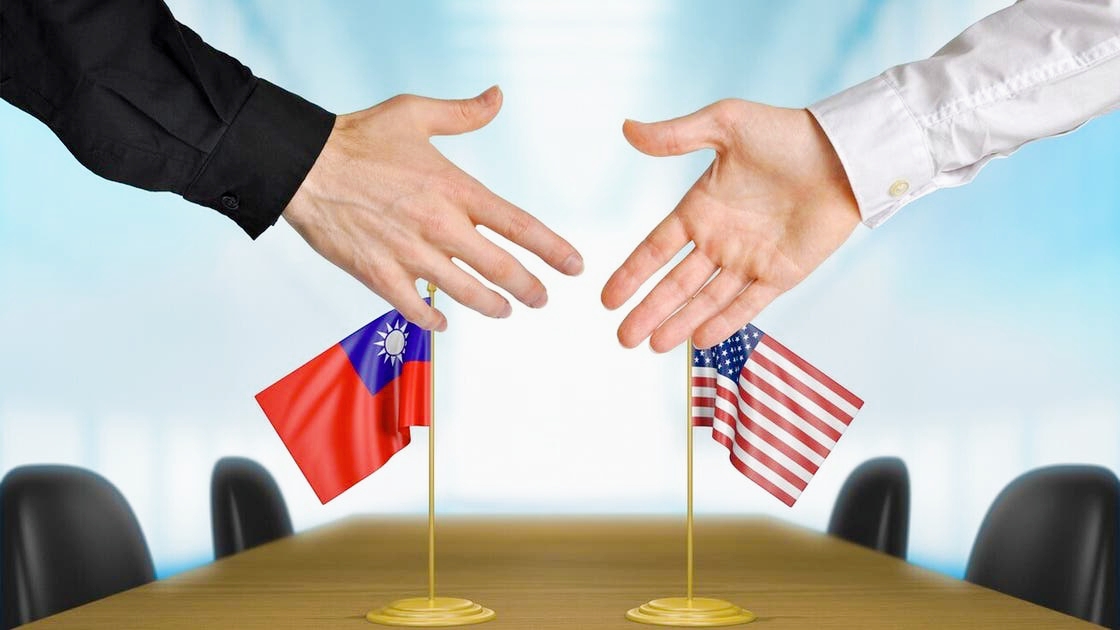
In a move that reshapes trade across the Pacific, the United States and Taiwan have signed a final trade agreement imposing a 15% American tariff on Taiwanese imports, in exchange for Taipei's commitment to reduce or eliminate tariffs on most American goods, along with a significant increase in its purchases of American products until 2029.
The agreement, detailed by the "Office of the United States Trade Representative," requires Taiwan to raise its imports of American goods by approximately $85 billion over the next three years.
The purchases include $44.4 billion of liquefied natural gas and crude oil, $15.2 billion of civilian aircraft and engines, as well as $25.2 billion of electrical network equipment, generators, marine equipment, and steel manufacturing equipment.
This agreement elaborates and strengthens a framework agreement made last January, under which Washington reduced tariffs on Taiwanese goods—including critical semiconductor industries—from 20% to 15%, which had been imposed during former President Donald Trump's administration.
Taiwanese President Lai Ching-te described the agreement as a "critical moment" for his country's economy, affirming in a Facebook post that it will enable Taiwan to keep pace with global transformations, enhance the establishment of reliable industrial supply chains, and solidify a strategic partnership with the United States in advanced technology fields.
Among the additional gains achieved by Taipei is obtaining tariff exemptions for over 2,000 products it exports to the American market, which will reduce the average tariffs on its exports to the United States to 12.33%.
Despite the economic and strategic importance of the agreement, it still awaits approval from the Taiwanese parliament, where the opposition holds a majority of seats, opening the door for political discussions that may determine the final implementation path.
This agreement marks a new phase in trade relations between Washington and Taipei, at a time when global competition for supply chains and advanced technology is intensifying, making this deal a pivotal point in international economic balances until the end of this decade.


