11,000 Flights Canceled… Air Traffic Jam in the Gulf Forces Thousands of Residents to Escape by Land
March 3, 202659 ViewsRead Time: 2 minutes
Font Size:
16
The aviation sector in the Gulf is experiencing unprecedented disruption, with over 11,000 flights canceled since Saturday, affecting more than a million travelers worldwide, according to data from Cirium, a company specializing in tracking flight movements.
The crisis followed the closure of Dubai and Abu Dhabi airports for several days, before a limited resumption of some flights designated for repatriating stranded passengers, while other airports in the region continued to operate at low capacity amid ongoing security tensions.
Residents Taking Land Routes
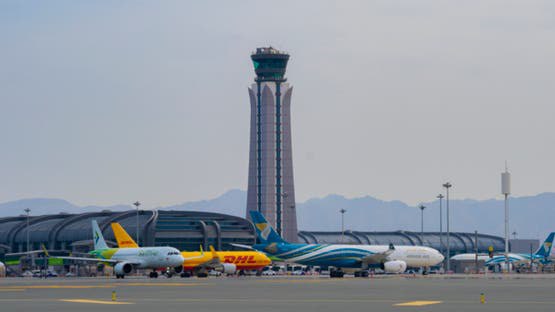
With the scarcity of air seats, thousands of residents in the UAE have turned to traveling by land to Oman and Saudi Arabia in search of departing flights, as Muscat Airport has become the almost sole available outlet for international travel.
Private airlines reported a nearly 40% increase in demand for charter flights since the escalation began, while prices soared to record levels, with difficulties securing landing and takeoff slots at alternative airports.
Aviation Stocks Suffer Losses
The crisis quickly reflected on the financial markets, as shares of major European airlines declined. Lufthansa's stock fell by about 5%, while Air France-KLM's stock lost nearly 9%, and IAG, the owner of British Airways, saw its stock drop by more than 5%.
This decline reflects investors' fears of the widening scope of airspace closures and its impact on global connectivity, especially since Gulf hubs are a major transit point between Asia and Europe.
Record Prices and Congestion on “Slots”
The increasing demand has driven private flight prices to unprecedented levels, with the price of a single seat on some charter flights exceeding tens of thousands of dollars, while entire chartered planes were sold at multiples of their usual prices.
Despite this, even private jet owners faced difficulties in departing due to operational restrictions and navigational warnings that limited flying over large parts of the region.
Division Between Leaving and Staying
While some residents chose to leave immediately, others preferred to stay, considering that the situation did not warrant departure. However, international companies and investment funds have begun to consider evacuation plans for their employees, indicating that the crisis is now entering long-term risk assessments.


