Zappos and Tony Hsieh: A Mysterious Will Opens a $500 Million Dispute
A regular envelope arrived at a law office in Reno, Nevada, in March of last year, revealing one of the strangest cases in the world of wills and inheritances.
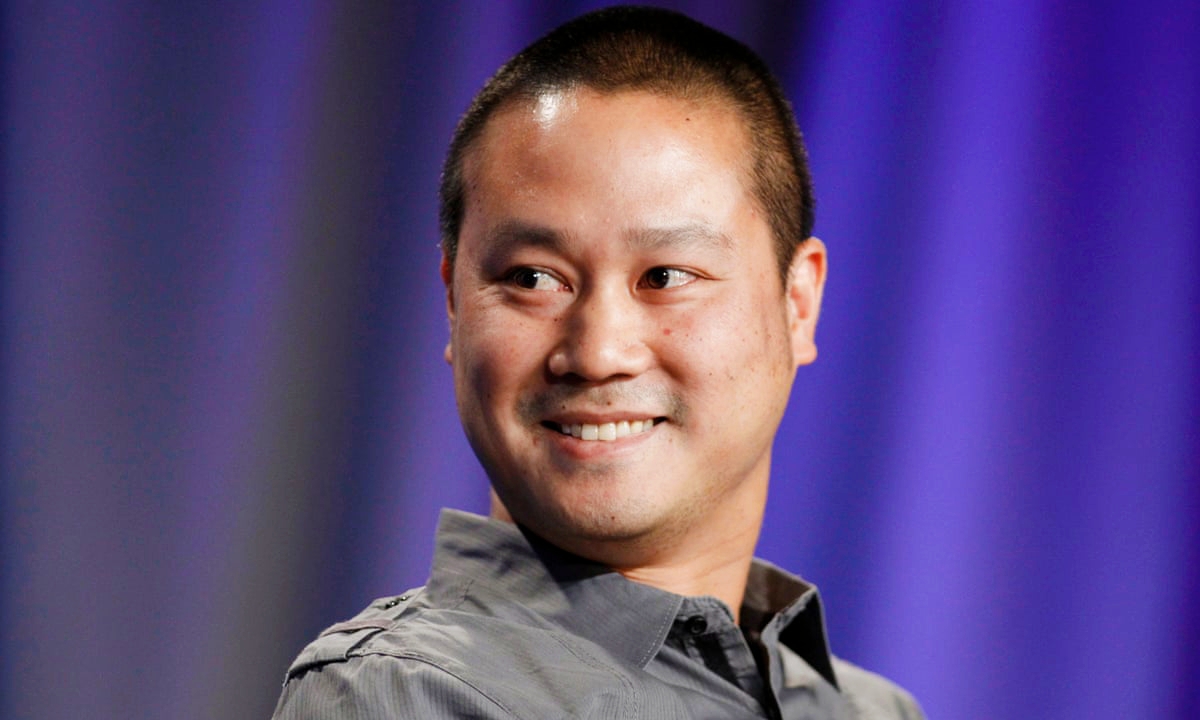
Inside the envelope was a 7-page document claiming to be the last will of Tony Hsieh, the late CEO of Zappos, who died in 2020 at the age of 46 from injuries sustained in a fire.
Tony Hsieh: The Mysterious Entrepreneur and His Dream of Fantasy Cities
For years, Hsieh's friends and family have insisted that there was no will.
The man spent his last months in a drug-induced haze, squandering his vast fortune at a frantic pace, and created bizarre projects like the fantasy amusement park "Country Zero," which was his dream of building a private world and an economy based on seashells as currency.
With no wife or children, his estimated $500 million fortune was supposed to go to his parents, but the sudden arrival of the will turned everything upside down, as described by the Wall Street Journal.
The Mysterious Will and Its Financial Distributions
The document is dated March 13, 2015, and includes various financial distributions, some of which are logical, such as a $3 million donation to Harvard University, and others that are mysterious, like allocating $50 million to an unknown fund named "Tony Hsieh Lit Wow Irrevocable Trust," with no evidence of its existence.
Strangely, the will came with a letter claiming it was found among the belongings of a Pakistani man named "Peer Muhammad," who died last year at the age of 91, a person Hsieh's family says he did not know.
The four witnesses who signed the will, along with "Kashif Singh," who sent the document, have no known trace, raising the possibility that they are entirely fabricated characters.
The Legal Battle Over Tony Hsieh's Will
The will names Nevada attorneys as executors of the estate, even though they never met Hsieh.
Nevertheless, they filed a formal request with the court to validate the document because it meets the legal formality for wills in Nevada.
However, Hsieh's father, Richard Hsieh, described the will as a "fraud," citing linguistic analyses suggesting that the language of the document is closer to Pakistani and Indian English, and that Hsieh's signature is forged and the middle name is misspelled.
Judge Gloria Sturman stated that the strangeness of the document does not mean it is legally invalid, and that the dispute can only be resolved through a full legal battle.
The biggest risk lies in the "no contest" clause, which states that any challenge to the will by Hsieh's family would disqualify them from inheriting anything.
A Frantic Search for Witnesses and Alleged Characters
A real estate journalist in Las Vegas spent months searching for any trace of the alleged witnesses, using property and voter records and social media, with no results.
Even "Peer Muhammad" only appeared in a mysterious death certificate with most details obscured.
Copies of the will that reached the court had strange addresses: one from a building attached to the court itself, and another from companies in Wyoming, while the postmark was from Pennsylvania, adding to the mystery surrounding the document.
The Impact of the Legal Dispute on Hsieh's Fortune and Projects
The court appointed the attorneys as special administrators of the estate, meaning their fees and those of their lawyers will be paid from Hsieh's estate, and the longer the dispute lasts, the smaller the fortune becomes.
The project to revitalize downtown Las Vegas that Hsieh dreamed of remains stalled.
Dozens of properties he acquired have been sold, while the "Trailer Park" village where he lived remains abandoned, like a ghost town reflecting the end of an unfulfilled dream.
Who is Tony Hsieh?
Hsieh was born in Illinois to immigrant parents from Taiwan, his father an engineer at Chevron, and his mother a clinical psychologist.
After graduating, he joined the first generation of young internet entrepreneurs, and Microsoft participated in buying his startup for banner advertising for $265 million.
In 1999, he became the CEO of ShoeSite.com, which he later transformed into Zappos (Zappos), which was sold to Amazon for $1.2 billion.
He continued as CEO, and in 2013 moved the company to the old Las Vegas city hall building.
He later invested $350 million of his own fortune into the Downtown Las Vegas project (DTP Companies), treating the neighborhood like a startup, revitalizing bars and small hotels, and attracting entrepreneurs with seed capital and low rents, while living in an "Airstream" trailer with friends and colleagues.
Tyler Williams, a friend and former employee at Zappos, said:
"Tony used alcohol as a social lubricant to dull his awareness and interact with others... he seemed to need a few drinks to return to his normal self."
As the legal battles over Tony Hsieh's mysterious will continue;
the legacy of the Zappos founder, worth $500 million, remains an open mystery, haunting his family and piquing the curiosity of the legal and media communities.
Whether the document is confirmed or revealed as a fraud, its impact on Hsieh's projects and the neighborhoods of Las Vegas will remain significant for a long time.
All eyes remain on the court, where the coming days may reveal the final chapter in this strange story that intertwines wealth, mystery, and unfulfilled dreams.