Why do children feel that their voices are unheard even when they are among others?
April 2, 2026784 ViewsRead Time: 2 Minutes
Font Size
16
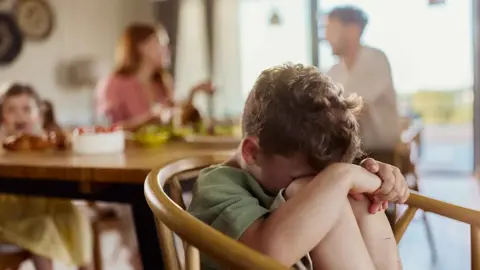
Psychologists warn of the increasing phenomenon known as "silent loneliness" among children, a condition that is not linked to physical isolation as much as it reflects an internal feeling of being misunderstood or unappreciated.
A child may be surrounded by family or friends, but feels that what they say is not taken seriously, or they cannot find anyone who listens to them attentively.
A child may be surrounded by family or friends, but feels that what they say is not taken seriously, or they cannot find anyone who listens to them attentively.
How does silent loneliness differ from traditional feelings of loneliness?
Loneliness in children no longer means sitting alone; it extends to the feeling of being emotionally invisible.
This type of loneliness is associated with a loss of genuine communication, where deep dialogue is replaced by quick responses or ready-made solutions without understanding the child's feelings.
What are the main reasons behind the increasing feelings of loneliness among children?
Experts believe that the reasons for this phenomenon are multiple, the most prominent of which include:
Parents' busyness with multiple daily responsibilities
Lack of time dedicated to emotional dialogue
The rapid shift towards giving advice instead of listening
The impact of social media that enhances comparison and reduces real communication
Moreover, the decline in opportunities for free play and direct social interaction has contributed to the increase in children's feelings of isolation.
What do studies say about the rates of loneliness among children and youth?
Estimates indicate that about one-third of youth worldwide do not feel a sense of belonging to their local communities, while the feeling of loneliness among the age group of 18 to 24 years is around 70%.
These figures reflect a concerning shift in the nature of social relationships among new generations.
How does silent loneliness affect children's mental health?
The continuation of this feeling may lead to:
Lower self-esteem
Difficulty expressing emotions
Social withdrawal
Increased anxiety and stress
Over time, this may reflect on the child's personality development and future relationships.
What solutions do experts recommend to deal with silent loneliness?
Experts recommend several practical steps to support children psychologically:
Setting aside daily time to listen without interruption
Focusing on the child's feelings instead of providing quick solutions
Creating family moments free from electronic devices
Encouraging group play and social activities
Acknowledging the child's feelings and giving them space to express themselves
These simple practices can help rebuild trust and give the child a true sense of belonging and security.