Washington Escalates Its Position: Firm Rejection of Any Global Governance for Artificial Intelligence
February 20, 202654 ViewsRead Time: 2 minutes
Font Size:
16
The United States has firmly rejected the idea of subjecting artificial intelligence to global governance, reflecting a hardline stance by the U.S. administration towards regulating this rapidly advancing technology.
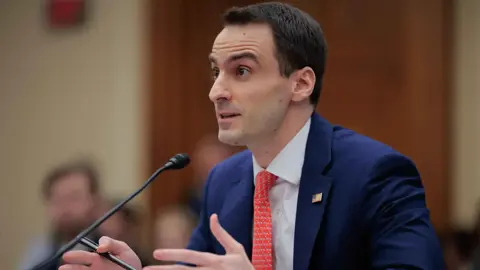
The statement was made by White House technology advisor Michael Kratsios during his participation in the artificial intelligence conference held in New Delhi, where he emphasized that his country "categorically rejects global governance of artificial intelligence."
The statement was made by White House technology advisor Michael Kratsios during his participation in the artificial intelligence conference held in New Delhi, where he emphasized that his country "categorically rejects global governance of artificial intelligence."
Rejection of Centralization and Bureaucracy
Kratsios stated that the future of artificial intelligence cannot be promising if it is subjected to "bureaucracy and central control," arguing that excessive regulation could hinder innovation and undermine the sector's ability to drive major economic transformations.
He added that the international discussion on artificial intelligence has seen a notable shift, pointing to the change of the summit's name from "AI Safety" to "AI Impact," which he described as a "positive development."
The United Nations Steps In for Regulation
In contrast, UN Secretary-General Antonio Guterres announced the formation of an advisory committee comprising 40 international experts, aimed at enhancing what he described as "making human control a technical reality" in the field of artificial intelligence.
The new committee aims to operate similarly to the Intergovernmental Panel on Climate Change, in an attempt to establish an international framework addressing the potential risks of advanced technologies, amid increasing warnings against leaving them unchecked.
Conflict Between "Fear" and "Hope"
Kratsios considered that many international forums, including the UN's global dialogue on AI governance, still adopt "an atmosphere of fear," calling for a replacement with a discourse based on optimism and opportunities.
He affirmed that artificial intelligence is capable of raising global living standards and achieving unprecedented prosperity, criticizing what he termed "ideological obsession" that links technology to issues like climate and social justice, arguing that this is used to justify further regulatory centralization.
Shifts in American Discourse
It is worth noting that the previous version of the conference, held in Paris last year, saw American warnings against "overregulation," where the then Vice President stated that excessive restrictions could destroy a sector expected to reshape the global economy.
This American stance comes at a time when international calls for establishing common frameworks to regulate artificial intelligence are increasing, signaling further debate among major powers regarding the future of this technology and its impact on the economy, politics, and societies.


