Two Weeks of War on Iran: What Are the Military and Financial Losses for Both Sides?
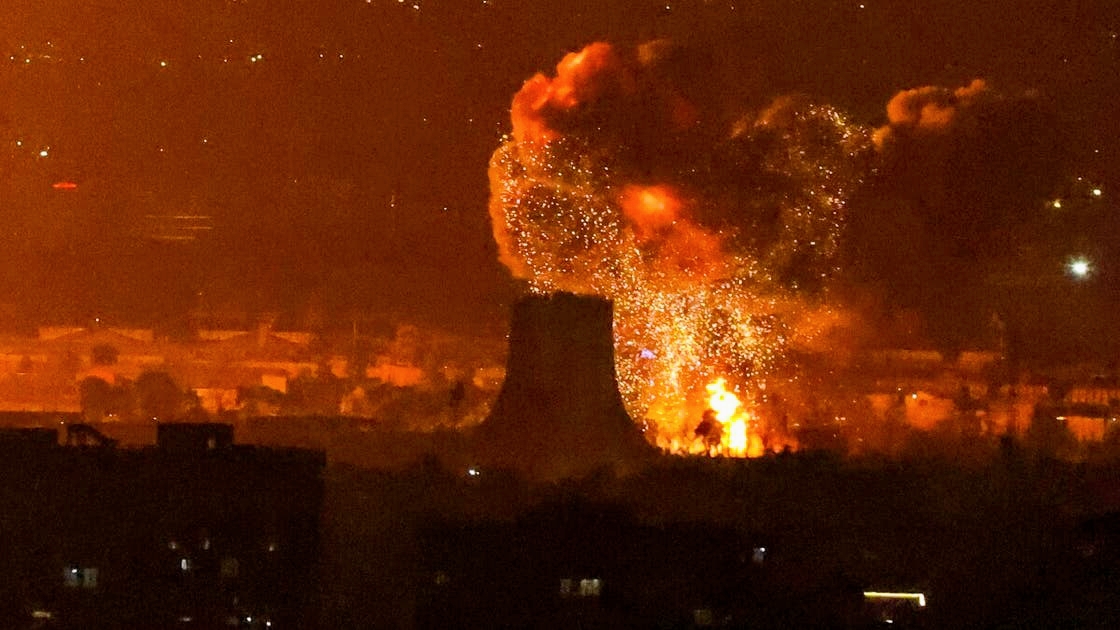
The war between Iran on one side and the U.S. and Israel on the other entered its second week on Sunday, March 8, 2026, amid fears that the conflict could extend for weeks to come, following hints from U.S. President Donald Trump and Israeli officials that operations may continue to achieve set goals.
Trump confirmed that the war plan is proceeding on schedule and urged U.S. arms manufacturers to accelerate their war production to keep pace with the escalating conflict.
* Size of Losses in Iran
_ The U.S. forces have targeted more than 3,000 sites since February 28, according to U.S. Central Command.
_ 43 Iranian ships have been destroyed as a result of the joint U.S.-Israeli strikes.
_ The U.S.-Israeli conflict against Iran has been named "Operation Epic Fury," targeting command and control centers, Revolutionary Guard sites, the Guard's aerospace headquarters, air defense systems, ballistic missile sites, military communication capabilities, and ships and submarines.
On the first day of the operation, joint forces managed to assassinate Iranian Supreme Leader Ali Khamenei and several prominent military and political leaders, including:
• Defense Minister Aziz Nasirzadeh
• Chief of Staff of the Armed Forces Abdolrahim Mousavi
• Revolutionary Guard Commander Mohammad Pakpour
• Advisor to the Supreme Leader Ali Shamkhani
• New Defense Minister Majid Ibn al-Ridha
* Iran's Financial and Military Losses
_ Iran launched about 2,700 missiles and drones towards Israel and other Gulf countries, some of which are relatively inexpensive Shahed-136 models, valued between $20,000 and $50,000, while the value of ballistic missiles is estimated at hundreds of thousands to several million dollars each.
_ The material damages within Iran, including reconstruction costs, are still not precisely defined, but they are estimated in the millions of dollars.
* Costs of the War for the United States
• The first week of operations cost the United States about $6 billion, according to Pentagon officials.
• According to the CSIS Institute, the cost of the first hundred hours of the operation was approximately $3.7 billion, or about $891.4 million per day.
• Some of these expenses are covered by the U.S. budget, while about $3.5 billion remains unfunded, with expectations of shifting towards using cheaper munitions in the coming days to reduce spending.
* Summary of the Conflict
_ Israel began its attack on Iran on the morning of February 28, 2026, under the name "Lion's Roar," and was later joined by the United States in a broad operation aimed at overthrowing the Iranian regime.
_ Tehran responded by launching missile and drone strikes on Israel and Gulf countries, as well as Iraq and Jordan, leading to an unprecedented escalation of the conflict.
* In Conclusion
As military operations and exchanges of strikes continue between the two sides, the future remains open to all possibilities, amid expectations of rising losses and an expansion of the conflict, while countries and analysts closely monitor the course of events and their impacts on the region and the world.
