Trump Rejects the Selection of Mojtaba Khamenei as Supreme Leader of Iran
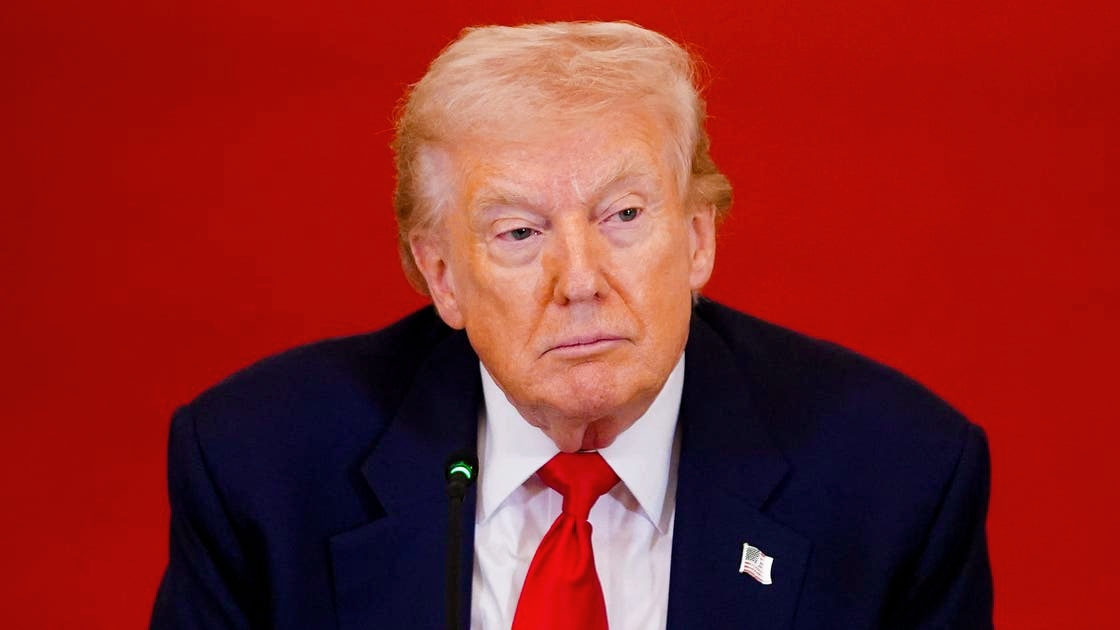
In the first American reaction to the election of Mojtaba Hosseini Khamenei as the new leader of Iran succeeding his father, U.S. President Donald Trump stated that he is "not happy" with this decision, emphasizing that any new leader must receive Washington's approval to remain in office.
This came after the Iranian Assembly of Experts announced on Sunday evening the election of Mojtaba Khamenei as the third leader of the Islamic Republic since its establishment in 1979, succeeding his father Ali Khamenei, who was assassinated at the beginning of the U.S.-Israeli attack on Tehran on February 28.
The assembly, consisting of 88 members, stated in an official announcement that "in today's extraordinary session, based on the decisive vote of the representatives of the Assembly of Experts, Mojtaba Hosseini Khamenei has been appointed as the new Supreme Leader of the country."
The assembly called on the Iranian people to maintain unity and pledge allegiance to the new leader, stressing that Mojtaba's appointment was made to avoid any leadership vacuum that could threaten the country's stability.
In an interview with ABC News, Trump emphasized that "any new leader chosen by Iran without our approval will not last long," adding: "He will need our approval, and if he does not get it, he will not last long.
We want to ensure that we do not have to go back every 10 years, in the absence of a president like me who does not do that."
He also noted that there are "people from the old regime qualified to succeed Ali Khamenei."
Mojtaba Hosseini Khamenei is one of the most enigmatic figures within the power structure in Iran, being the second son of Supreme Leader Ali Khamenei and one of his six children.
His appointment has sparked widespread controversy, as the ideology of the Islamic Republic is based on the premise that the selection of the Supreme Leader should be based on religious standing and political leadership, not through family inheritance.
U.S. diplomatic cables revealed by WikiLeaks indicate that Mojtaba is considered "the hidden power behind the religious cloak," and many within the system view him as a competent and decisive leader, according to the Associated Press.

