The Venezuelan File Confuses Trump's Calculations and Places Washington in Limited Options
December 2, 2025656 ViewsRead Time: 3 minutes
Font Size:
16
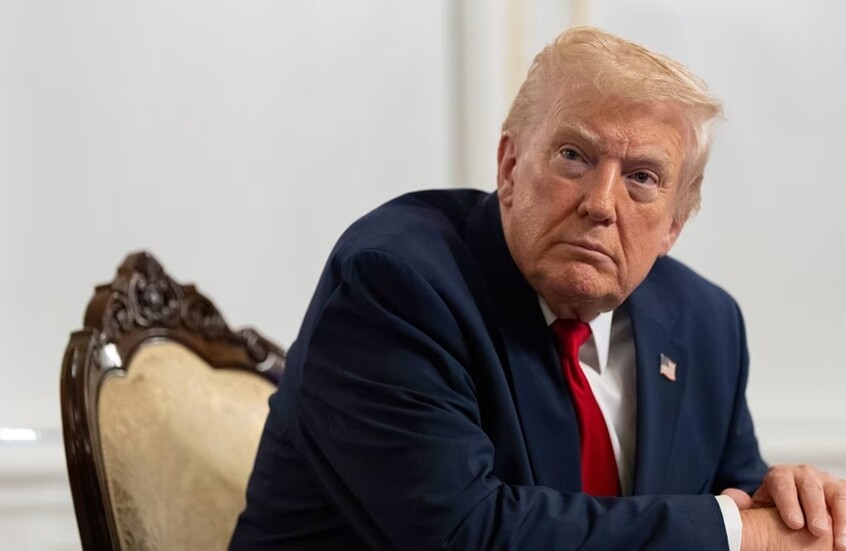
The administration of U.S. President Donald Trump finds itself in an escalating predicament in dealing with the Venezuelan crisis, as its maximum pressure policy has taken a more complicated turn, threatening to become a political, strategic, and legal burden that is difficult to contain both domestically and internationally.
In an attempt to assess the course of confrontation and determine the next steps, Trump held a closed meeting in the Oval Office on Monday evening with his senior national security advisors, amid rapid developments that weaken Washington's ability to impose its conditions. This move coincided with Venezuelan President Nicolás Maduro's appearance at a large public rally in Caracas, where he rejected American pressures, asserting that his country would not succumb to what he described as policies of imposition and guardianship.
According to an analysis published by CNN, recent events have harmed the political position of the U.S. administration, especially after a wide controversy arose over a military strike carried out in the Caribbean, targeting a boat suspected of being linked to drug trafficking, resulting in casualties. This opened the door to sharp criticisms in Congress, where Democratic lawmakers warned of the potential for serious violations of international law, while some Republicans expressed their willingness to support official investigations into the incident.
These developments come after months of military and economic escalation against Venezuela, represented by the imposition of additional sanctions and the deployment of the U.S. aircraft carrier USS Gerald R. Ford alongside several warships near Venezuelan coasts, in a show of force aimed at increasing pressure on Maduro's government.
While Washington hoped that this pressure might push the Venezuelan leadership to concede or lead to divisions within the military establishment, Maduro's continued presence in the political scene has raised questions about the effectiveness of the current approach, especially given the limited options available between a wide-ranging military escalation with serious consequences or a retreat that would undermine the U.S. administration's prestige.
Legal concerns in Washington are also increasing following reports of a second strike targeting survivors of the first attack, which the administration initially denied before later partially confirming, indicating that the decision fell within approved military powers. This discrepancy in statements has sparked further debate about decision-making mechanisms and the level of commitment to international law during operations.
As calls for accountability grow louder, attention now turns to how the U.S. administration can extricate itself from this predicament without paying a heavy political price domestically or losing its leverage on the international stage, at a time when the Venezuelan crisis appears more complicated than ever.
In an attempt to assess the course of confrontation and determine the next steps, Trump held a closed meeting in the Oval Office on Monday evening with his senior national security advisors, amid rapid developments that weaken Washington's ability to impose its conditions. This move coincided with Venezuelan President Nicolás Maduro's appearance at a large public rally in Caracas, where he rejected American pressures, asserting that his country would not succumb to what he described as policies of imposition and guardianship.
According to an analysis published by CNN, recent events have harmed the political position of the U.S. administration, especially after a wide controversy arose over a military strike carried out in the Caribbean, targeting a boat suspected of being linked to drug trafficking, resulting in casualties. This opened the door to sharp criticisms in Congress, where Democratic lawmakers warned of the potential for serious violations of international law, while some Republicans expressed their willingness to support official investigations into the incident.
These developments come after months of military and economic escalation against Venezuela, represented by the imposition of additional sanctions and the deployment of the U.S. aircraft carrier USS Gerald R. Ford alongside several warships near Venezuelan coasts, in a show of force aimed at increasing pressure on Maduro's government.
While Washington hoped that this pressure might push the Venezuelan leadership to concede or lead to divisions within the military establishment, Maduro's continued presence in the political scene has raised questions about the effectiveness of the current approach, especially given the limited options available between a wide-ranging military escalation with serious consequences or a retreat that would undermine the U.S. administration's prestige.
Legal concerns in Washington are also increasing following reports of a second strike targeting survivors of the first attack, which the administration initially denied before later partially confirming, indicating that the decision fell within approved military powers. This discrepancy in statements has sparked further debate about decision-making mechanisms and the level of commitment to international law during operations.
As calls for accountability grow louder, attention now turns to how the U.S. administration can extricate itself from this predicament without paying a heavy political price domestically or losing its leverage on the international stage, at a time when the Venezuelan crisis appears more complicated than ever.

