The Purple Ube Takes Over the World.. Is the Philippines Facing a Production Crisis?
April 30, 2026869 ViewsRead Time: 2 Minutes
Font Size
16
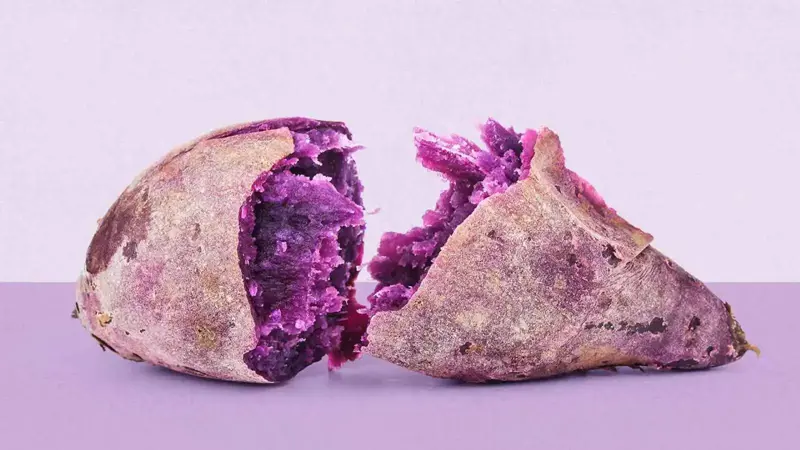
The purple ube, also known as “ube,” has become one of the most prominent food trends on social media platforms.
It has transitioned from being a local crop in the Philippines to a key ingredient in global beverages and desserts such as lattes and cakes.
How Did the Purple Ube Conquer Cafés Worldwide?
The ube has entered the menus of popular cafés in London, New York, and elsewhere, becoming a staple in food innovation.
Content creators are racing to capture its dishes due to its attractive purple color, making it an ideal material for visual trends.
Has Global Demand Caused a Crisis in Ube Production?
Despite its popularity, Philippine farmers are facing climate challenges that have affected agricultural production.
This has led to a decrease in supply, prompting some countries like Vietnam to fill part of the global demand.
How Much Has Demand for Ube Increased in Global Markets?
Food market data indicates that ube usage in the United States has increased by 230% over four years.
Philippine exports of ube are projected to reach around $3.2 million by 2025, with an annual growth rate of nearly 20%.
Is Ube Turning into a Global Crop Threatened by Scarcity?
Amid rising demand and climate changes, food experts are raising questions about the sustainability of ube production.
Will it transition from a global trend to a strategic crop facing market pressures?