The Blood Moon 2026: Why It Won't Be Visible in Sudan?
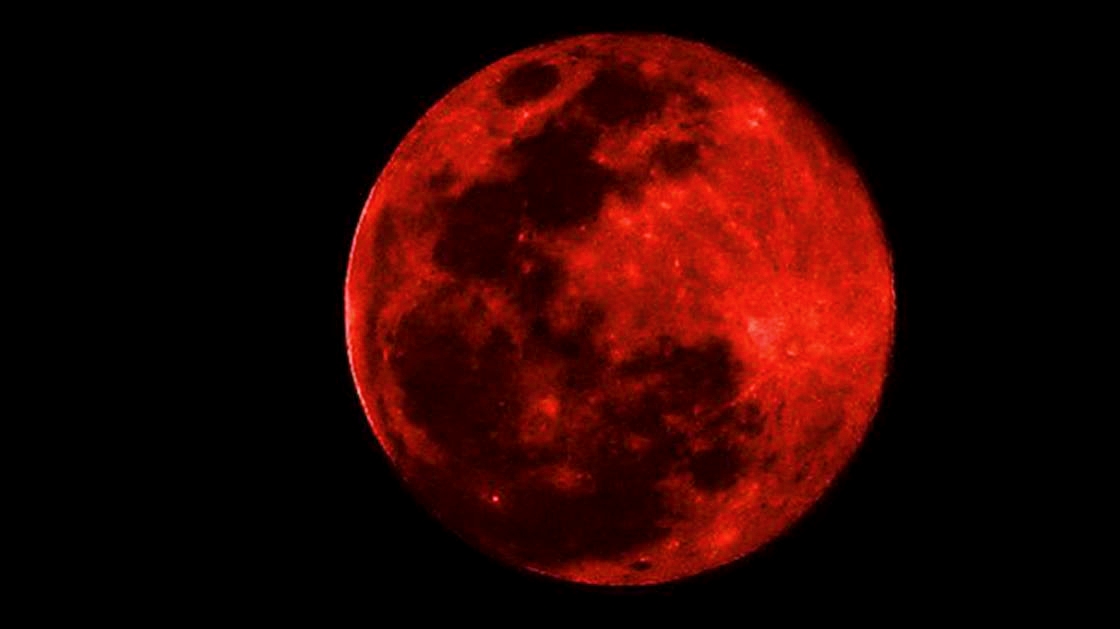
On the morning of March 3, 2026, the world awaits a rare astronomical event where the moon will transform into a dark red disc in a dramatic cosmic scene known as "the Blood Moon", as the moon experiences a total eclipse captivating sky enthusiasts across Asia, Australia, and the Americas.
However, the surprise is that this magnificent celestial display will pass far from the skies of Sudan, as the moon will set below the horizon before reaching the total eclipse phase, depriving observers of the chance to witness the phenomenon with the naked eye on their own land.
Professor Moawiya Hamid Shaddad, president of the Sudanese Astronomical and Space Sciences Society and professor of astrophysics at the University of Khartoum, confirmed that Sudan and most Arab countries will not be able to see the eclipse in full, explaining that the red color of the moon, which gives the phenomenon its common name "the Blood Moon", results from the refraction of sunlight through the Earth's atmosphere before it reaches the moon's surface, an effect that occurs when the sun, Earth, and moon align in a straight line.
Although Sudan is known for its clear skies and vast horizons, making it ideal for observing astronomical phenomena, this time its geographical location will place it outside the visibility range, leaving observers facing a global event that passes above them without being seen.
It is noted that the March 2026 eclipse is the first total lunar eclipse of the year, and a similar opportunity for observation under suitable conditions will not occur for years, making the event more significant for enthusiasts of celestial phenomena worldwide.
In the past, Sudanese people would observe lunar eclipses with the naked eye from squares and homes, with calls for eclipse prayers echoing in mosques, a scene that blends the awe of the phenomenon with earthly rituals.
But this year, the event will only be available through screens.
In contrast, residents of Asia, Australia, and the Americas will have the opportunity to fully witness the eclipse, as the moon glows red during the night and dawn hours, without the need for any astronomical devices.
While the universe continues to present its silent shows, sky enthusiasts in Sudan will have to wait several more years for another chance to observe a total lunar eclipse, leaving the 2026 version a global event that passes over Sudan without being seen.

