Sardines or Tuna: Which is Better for Your Health?
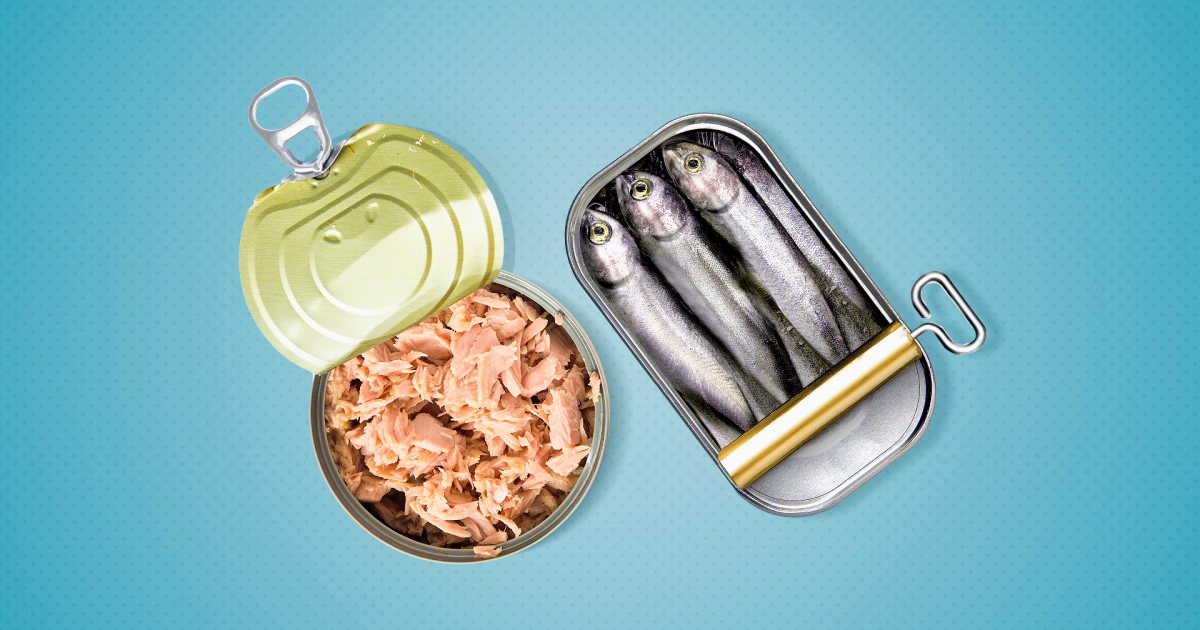
Nutrition experts recommend consuming fish such as sardines and tuna, as they contain high-quality protein and long-chain omega-3 fatty acids, including docosahexaenoic acid (DHA) and eicosapentaenoic acid (EPA), which are essential for heart and brain health.
But which one provides the body with more of these nutrients? Let's find out through a detailed nutritional comparison.
* Basic Nutritional Comparison per 100 grams
_ Canned Sardines :
• Calories: 208
• Protein: 24.6 grams
• Total Fat: 11.4 grams
• Omega-3 Fatty Acids (EPA and DHA): 982 mg
_ Light Canned Tuna in Oil :
• Calories: 198
• Protein: 29.1 grams
• Total Fat: 8.2 grams
• Omega-3 Fatty Acids (EPA and DHA): 128 mg
These numbers clearly show that sardines contain significantly more omega-3, while tuna has a slight edge in protein content.
* Sardines… The Omega-3 Champion and Heart Health
Sardines are an excellent source of long-chain marine omega-3 fatty acids, known for their benefits to the heart and brain, including:
• Improving blood lipid levels
• Reducing the risk of arrhythmias
• Potential protection against inflammation and cardiovascular and neurological diseases
Additionally, sardines contain calcium and vitamin D, which are essential for bone health, and are among the least contaminated fish with mercury.
* Tuna… Low-Fat Protein with Multiple Benefits
Despite the lower omega-3 content in light tuna, it is:
• An excellent source of complete protein, with all essential amino acids.
• Low in fat, making it an ideal choice for those looking to reduce calories and maintain satiety.
• Rich in vitamins and minerals such as B12, B6, iron, potassium, selenium, and iodine.
However, it is important to note that some types of tuna, especially white tuna, may contain higher levels of mercury, which requires caution when consumed by pregnant women and young children.
* Tips for Choosing the Right Type
_ Choose sardines if you are looking for:
• The highest amount of omega-3
• Healthy protein with beneficial fats
• A lower risk of mercury contamination
_ Choose tuna if you are looking for:
• A milder flavor and versatility
• Low-fat protein
• A varied option, as some types of white tuna contain omega-3 similar to sardines
* Experts' Summary
No single type of fish can cover all nutritional needs, so it is recommended to diversify between sardines and tuna, along with salmon, mackerel, and other types, to achieve an ideal balance of protein, omega-3, vitamins, and minerals while minimizing mercury risks.