Proactive Moves in Tehran.. Khamenei Strengthens Larijani's Influence in Anticipation of War Scenario
February 22, 202663 ViewsRead Time: 2 minutes
Font Size:
16
Iranian sources revealed that the Supreme Leader of the Islamic Republic, Ali Khamenei, has assigned veteran politician Ali Larijani extensive tasks to ensure the "resilience of the regime" in the face of any potential war or attempts targeting its leaders, in a move reflecting the growing concern within decision-making circles in Tehran.
Assignment at a Sensitive Timing
According to a report published by The New York Times, the assignment came in early January, coinciding with increasing internal protests and external pressures, including American threats of military strikes.
According to the same sources, Larijani's powers have significantly expanded, making him a key player in managing security and political files, practically surpassing the executive role of President Masoud Bezhakian, who faces complex internal challenges.
Expanded Powers and Management of Sensitive Files
The new assignment granted Larijani direct supervision over handling protests, coordinating policies with Tehran's allies, primarily Russia and China, as well as monitoring the course of nuclear negotiations with Washington.
However, the most significant task, according to the report, is preparing comprehensive plans for state management in the event of a military confrontation with the United States, ensuring the continuity of governance institutions and smooth decision-making under exceptional circumstances.
“Resilience Instructions” and Succession Plans
In preparation for the worst-case scenarios, Khamenei issued directives to identify four alternative levels for each military or governmental position he appoints himself, to ensure no leadership vacuum occurs in the event of assassination or communication breakdowns.
A narrow circle of close associates, including Larijani, has also been empowered to make critical decisions if access to the leader is not possible.
Deterrent Messages Without Announcing Confrontation
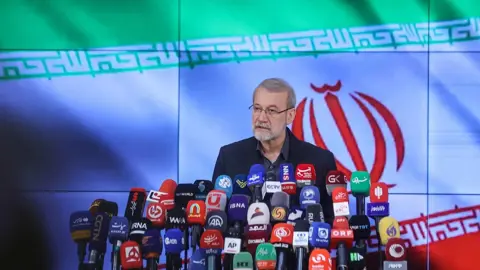
In a recent television interview, Larijani confirmed that Iran is "on high alert," emphasizing that his country does not seek war, but will "respond if imposed upon." This rhetoric reflects the Iranian approach of enhancing deterrence and demonstrating readiness without slipping into direct provocation.
Field Maneuvers and Internal Preparations
Simultaneously, Tehran has intensified its missile tests and military maneuvers, which included a temporary closure of the Strait of Hormuz, sending a clear message about its ability to impact global energy supplies.
Estimates suggest that in the event of war, special police units, intelligence elements, and Basij brigades will be deployed in major cities to maintain control and prevent any internal disturbances during external conflict.
With these moves, Tehran appears to be in a phase of comprehensive repositioning, with its main theme being: readiness for confrontation scenarios while maintaining internal cohesion.

