Oil Prices Drop Amid U.S.-Iran De-escalation and Strong Dollar
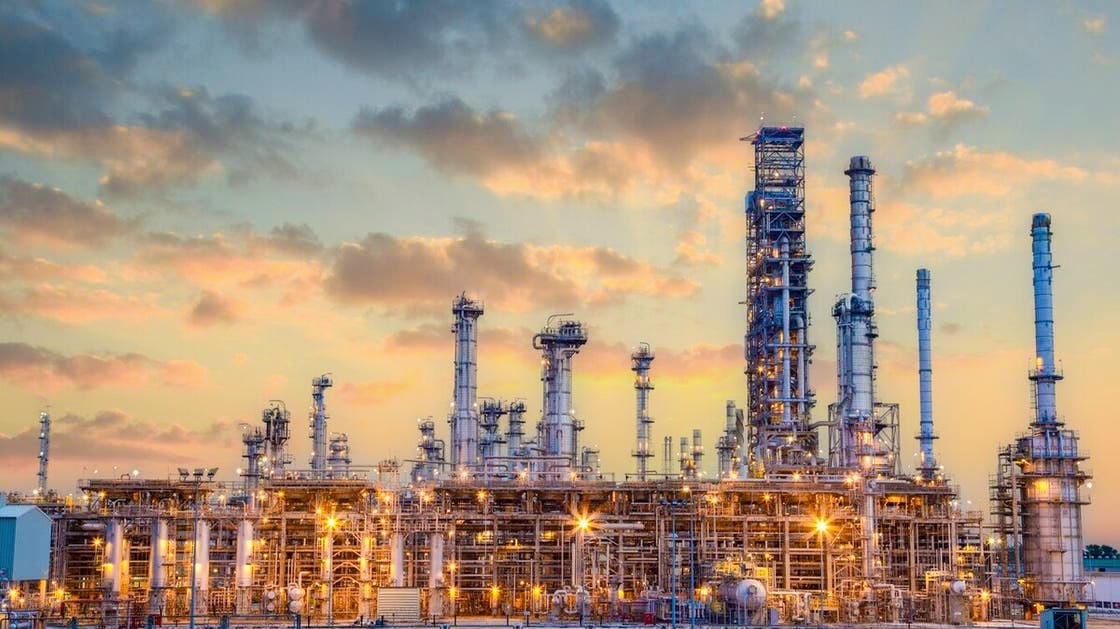
Oil prices fell for the second consecutive day, amid expectations of easing tensions between the United States and Iran, and a strong dollar that pressured prices.
The price of Brent crude reached $65.91 per barrel, and West Texas Intermediate crude at $61.83 per barrel, down 0.5% each compared to yesterday's session.
Prices had dropped more than 4% on Monday, following U.S. President Donald Trump's remarks that Iran "is talking seriously" with Washington, indicating a potential easing of tensions between the two countries, according to Reuters.
Officials from Iran and the United States expect to resume nuclear talks between the two sides next Friday in Turkey, amid a warning from Trump that sending large U.S. warships to the region could lead to "bad things" if no agreement is reached.
Priyanka Sachdeva, senior market analyst at Phillip Nova, confirmed that recent oil price fluctuations "are driven by sentiment more than any fundamental changes in the underlying factors," noting that previous gains could not hold due to mixed macroeconomic data and the absence of new geopolitical escalation.
Additionally, the rise of the dollar index to record levels near its highest point in over a week limited oil's ability to rise, as a strong dollar weakens foreign buyers' demand for crude priced in U.S. currency.
On the trade front, Trump announced an agreement with India to reduce U.S. tariffs on Indian goods from 50% to 18%, in exchange for New Delhi halting purchases of Russian oil and lowering trade barriers, indicating India's potential to buy oil from the U.S. and possibly Venezuela.
In this context, India has recently begun to slow its purchases of Russian oil, which reached about 1.2 million barrels per day in January, and is expected to drop to one million barrels per day in February and 800,000 in March.
On another note, the "OPEC+" alliance announced it would keep its production unchanged for March, after eight members of the alliance _Saudi Arabia, Russia, the UAE, Kazakhstan, Kuwait, Iraq, Algeria, and Oman_ raised production quotas by about 2.9 million barrels per day from April to December 2025, which is approximately 3% of global demand.


