Nipah Virus: Tokyo University Begins First Human Trial for Potential Vaccine
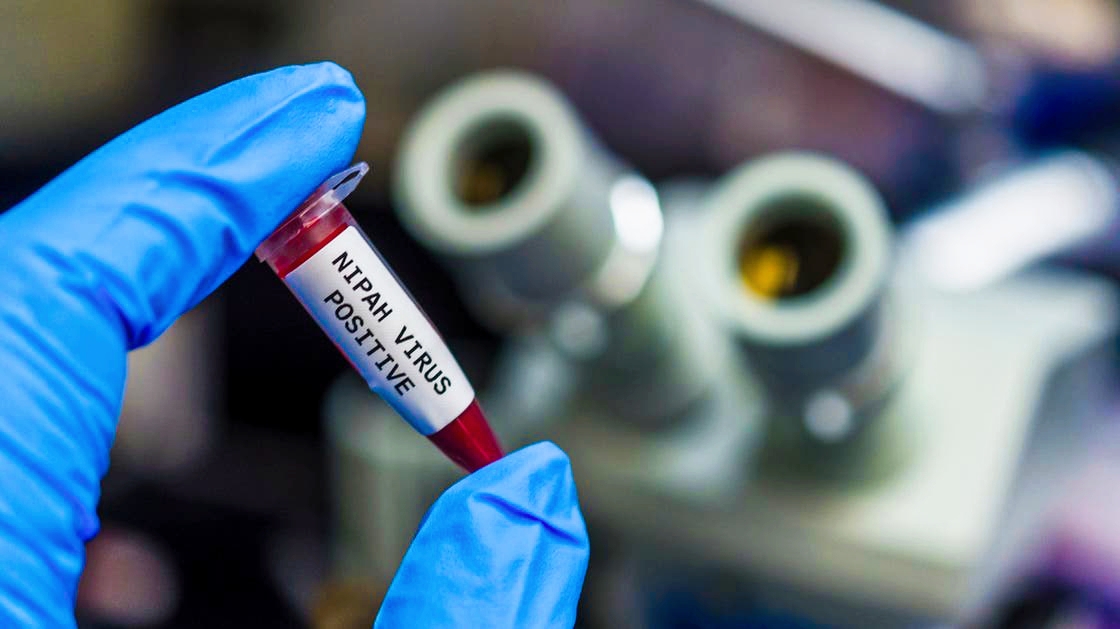
The world is preparing to confront one of the most dangerous emerging viruses, following Japanese media reports that Tokyo University will soon begin human trials on an experimental vaccine against the Nipah virus, the first time since the virus was discovered over 25 years ago.
According to the "Nikkei" newspaper, the new vaccine is based on a weakened measles virus, which stimulates the immune system to produce proteins similar to those used by the Nipah virus, allowing the body to recognize and fight the virus upon future exposure.
Laboratory tests on hamsters and other animal species have shown high efficacy and safety, with no serious side effects reported.
The first phase of clinical trials on humans will begin in Belgium, aiming to assess safety and immune response in volunteers, with plans to expand the trials later to include adults and children in Bangladesh during the second half of 2027, one of the countries most affected by recurrent outbreaks of the virus.
* Why is the Nipah virus a global threat?
The Nipah virus primarily spreads from large bats to humans directly or through intermediate animals, causing severe infections in the brain and respiratory system, with a mortality rate that can reach 70-80% in some outbreaks.
Since its discovery in 1998, nearly 1,000 cases have been recorded, with no approved vaccine or treatment to date.
Health experts believe that the success of this Japanese vaccine could represent a real turning point in combating zoonotic viruses, paving the way for the first global vaccine against the Nipah virus, as the scientific community eagerly awaits the results of human trials, with great hope for reducing future outbreaks of this deadly virus.
