Meta Sparks Controversy with Patent for AI That Posts After Death
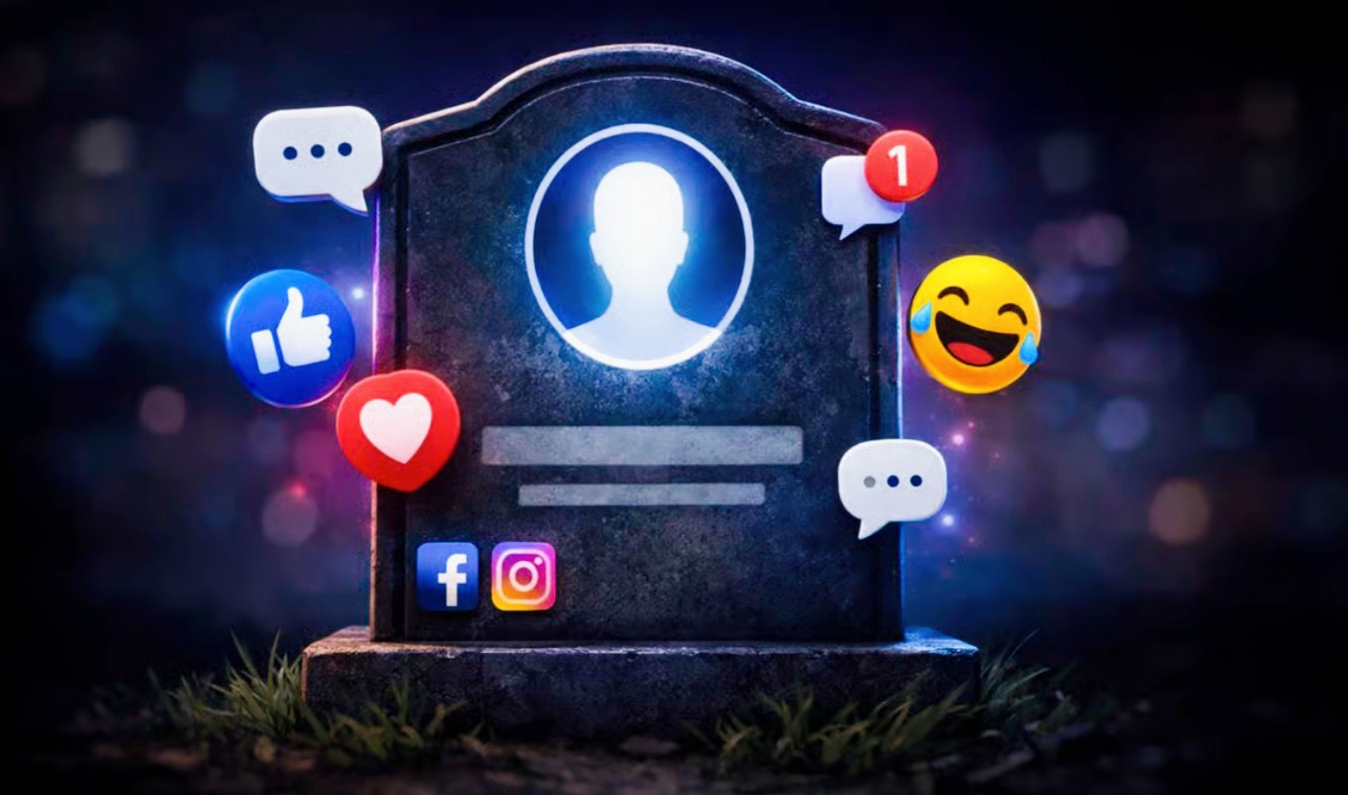
Meta, the company behind Facebook and Instagram, has sparked widespread controversy after reports revealed that it obtained a patent for an AI system capable of continuing to post and interact through users' accounts even after their death.
* AI "from the afterlife"!
According to Business Insider, the company received a patent in late December for a system based on a large language model that can simulate users' activity on social media, including writing posts, responding to comments, and even interacting with content posted by real people; as if the account owner were still alive.
The documents indicate that the technology is not limited to text interaction but could extend to simulating audio and visual interactions (Audio and Video), based on personal user data: their writing style, voice tone, preferences, and previous interaction patterns, so that the generated responses appear almost identical to their original communication style.
* From absence to death
The patent document clarifies that the system can operate in cases of user absence from the platform, whether due to temporary disconnection, long breaks, or in the event of death.
It also pointed out that a user's absence—especially if permanent—could affect others' experience on the platform, opening the door for this type of “digital simulation” as a proposed technical solution.
Notably, Andrew Bosworth, Meta's chief technology officer, is listed as the primary author of the patent, which was first filed in 2023.
* Widespread anger... and calls to let the dead rest in peace
The news triggered angry reactions on X, with many expressing concerns about the ethical implications of such technology, considering it crosses the boundaries of privacy and the sanctity of death.
Some users demanded the need to “let the dead rest in peace,” warning of the risks of misuse of such a system.
Experts link this idea to what is known as “grief robots” or digital replicas of people after their death, a field that raises complex ethical discussions related to identity, privacy, and the rights of the deceased and their families.
* Will it actually be implemented?
Despite the rising controversy, a spokesperson for Meta confirmed that the company “currently has no plans to move forward with this example,” in an attempt to quell concerns.
However, this development raises a sensitive question:
To what extent can AI extend in simulating humans? And can “eternal digital presence” become a reality in the future, or will ethical considerations impose strict limits?


