Lebanon Announces Date for Finalizing the Second Phase of Weapon Control
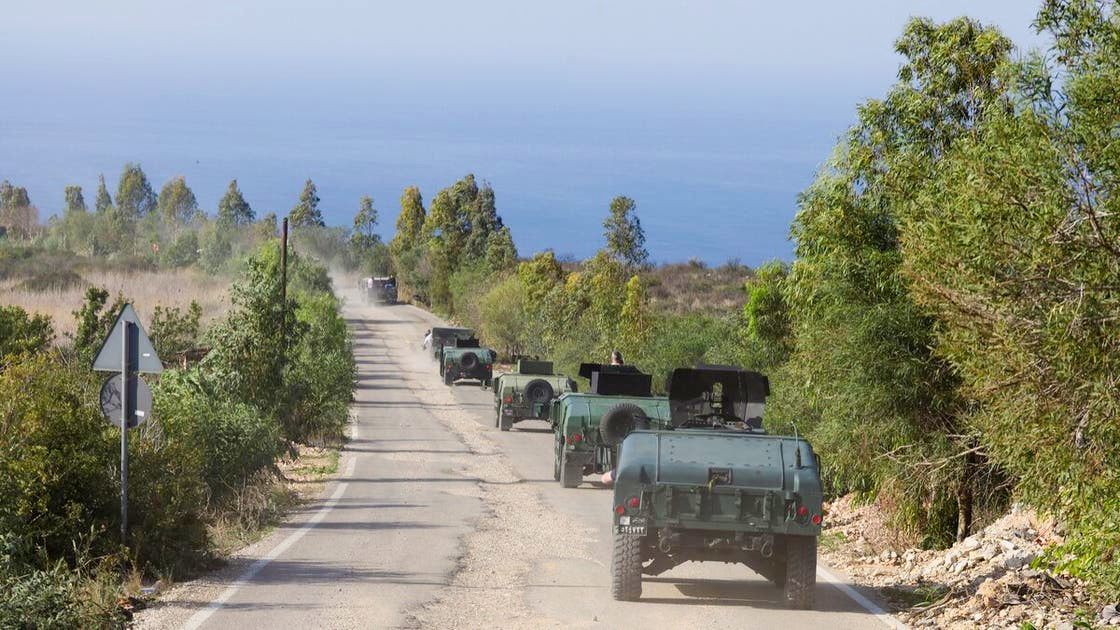
In a new step towards establishing state authority over its entire territory, Lebanese Minister of Information Paul Marqas announced that the government will make its decision next week regarding the mechanism for implementing the second phase of the weapon control plan, which includes the area north of the Litani River, based on a comprehensive assessment that the Commander of the Lebanese Army will present regarding the military institution's capabilities and needs.
Marqas's statements came yesterday, Wednesday, from Kuwait, where he is participating in an Arab meeting, confirming that the first phase of the plan has been fully completed south of the Litani River, and that the next phase will be discussed in light of a detailed presentation by the army commander to the government, addressing the available capabilities and logistical and operational challenges.
The Lebanese Army announced last January that it had established operational control over the area extending between the Litani River and the Israeli border, while the Cabinet requested the army leadership in early February to provide a clear vision on how to complete the disarmament process in other areas of the country.
Marqas said:
"We have completed the first phase south of the Litani River, and the government will make a decision next week regarding the second phase based on what the army commander will present regarding needs and capabilities, so we can make the decision based on this explanation."
These steps come as part of Lebanon's commitment to the ceasefire agreement mediated by the United States in November 2024, which ended the war between Israel and Hezbollah, and includes working towards controlling weapons in the hands of the Lebanese state.
While the United States targets Hezbollah with new sanctions revealing a complex financing network, Israel accuses the party of attempting to rearm and replenish its ammunition stockpiles in violation of the ceasefire agreement.
Since the end of the war, Israel has been conducting repeated airstrikes within Lebanese territory, which Lebanese security sources say have resulted in the deaths of about 400 people.
In contrast, Hezbollah affirms its commitment to the ceasefire in southern Lebanon, while Marqas emphasized that the government is not heading towards confrontation with the party, stating that the goal is to "establish state authority and achieve stability," adding that the government will proceed with implementing its plan "to the extent that these goals can be achieved together."
Amid international pressures and delicate internal considerations, the next phase appears crucial in the path of establishing Lebanese state authority, with anticipation for a government decision that may outline the security and political balance in the country during the upcoming phase.


