Laundry and Bleach Liquids Cause Thousands of Children's Injuries… A Study Sounds the Alarm
April 14, 2026907 ViewsRead Time: 2 Minutes
Font Size
16
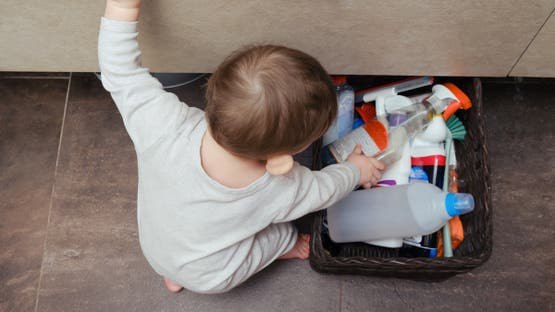
A recent study published in the journal Pediatrics revealed that over 240,000 children under the age of five in the United States were involved in incidents related to household cleaners between 2007 and 2022, highlighting a silent danger within homes.
The study relied on emergency room data, reflecting the scale of serious injuries that required urgent medical intervention.
Laundry and Bleach Liquids at the Top of the Most Dangerous Causes
The results showed that:
Laundry liquids were responsible for about 30% of the incidents
Bleach products accounted for nearly 29%
This makes these two products the most dangerous for children, due to their strong chemicals that can cause immediate harm upon exposure.
Poisoning and Chemical Burns… The Most Common Recorded Injuries
The injuries sustained by children varied, and were as follows:
Poisoning: 64% of cases
Chemical burns: 14.1%
Skin infections and irritations: 11.2%
These injuries can be serious, especially for young children who do not understand the nature of these substances.
Attractive Packages Resembling Candy… The Biggest Danger to Children
The study indicated that the design of some cleaners, especially laundry pods, poses an additional risk factor, as they appear:
Colorful
Small in size
Similar to candy
This drives children to touch or even swallow them, without realizing the consequences.
It was also recorded that:
Detergent pouches accounted for 33% of incidents
Spray bottles 28.2%
Liquid containers 19.7%
Despite the Decline… The Danger Still Exists
Dr. Rebecca McAdams confirmed that incidents related to cleaners have seen a relative decline, but they remain the leading cause of injuries to children at home, especially in 2022.
She emphasized that these products are designed to clean tough dirt, making them inherently dangerous when misused.
How to Protect Your Children? Simple Steps That Could Save Their Lives
Experts recommend several preventive measures, the most important of which are:
Keeping cleaners out of children's reach
Using tightly sealed containers
Not transferring substances to non-original containers
Supervising children while they are in storage areas