LastPass Breach Shakes Millions of Users: Are Password Management Tools Safe?
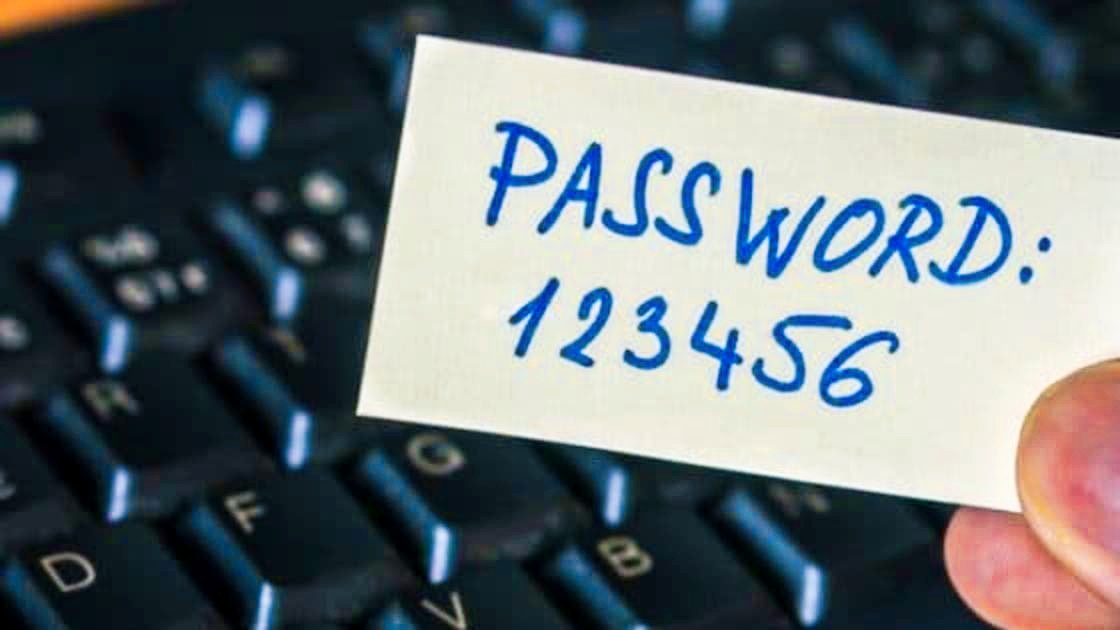
Password management tools are among the strongest digital security tools, freeing users from the chaos of storing passwords on papers or insecure files.
But; what happens when these tools themselves are breached? Can trust in them be restored?
This question has become the focus of millions of LastPass users today, following one of the most serious breaches in the company's history, which affected personal data of individual users and companies, sparking widespread debate about the safety of these services.
* A Breach Threatening Millions
LastPass suffered a major security breach, affecting around 20million individual users and 100thousand companies.
The leaked data included usernames, email addresses, phone numbers, and links stored within the service, according to a report published by Slashgear.
Although the passwords themselves were not decrypted thanks to an encryption model known as “ZeroKnowledge,” the incident was considered a severe warning for anyone relying on LastPass or considering using it, prompting some users to transfer their data to alternative services.
* A Limited Fine Amidst Widespread Criticism
In a symbolic move, the UK's Information Commissioner's Office imposed a fine of £1.2 million (approximately $1.6million) on LastPass.
The fine was described as modest compared to the extent of the damage, as it amounts to less than one dollar for each of the more than million affected users in the UK alone.
* Two Incidents, Not Just One
More seriously, the breach was not a single incident, but a series of security failures:
• The first incident: An attacker gained access to a work computer belonging to a LastPass employee and entered the internal development environment without leaking user data at that time.
• The second incident: The hacker targeted a senior employee through a known vulnerability in an external streaming service, using malware to steal the password, bypassing two-factor authentication, before accessing the backup database.
* A Systemic Flaw, Not Just a Mistake
Information security experts confirmed that what happened was not the result of a single mistake, but a buildup of security vulnerabilities that allowed access to sensitive data.
Addressing this systemic flaw requires a comprehensive overhaul of the security infrastructure, not just quick updates.
Even more concerning, the incident dates back to 2022, while the fines were actually imposed in December 2025, raising questions about the extent of security improvements that were actually made during those years.
* Is LastPass Still a Safe Option?
Although the passwords were not decrypted, the incident has raised the fundamental question:
Is encryption alone enough to build trust?
For many, the answer has become more complicated, and it may lead users to think twice before entrusting the keys to their digital lives to any service, no matter how popular it is.
