Is Green Salt a Healthy Alternative to Regular Salt? Here’s the Truth
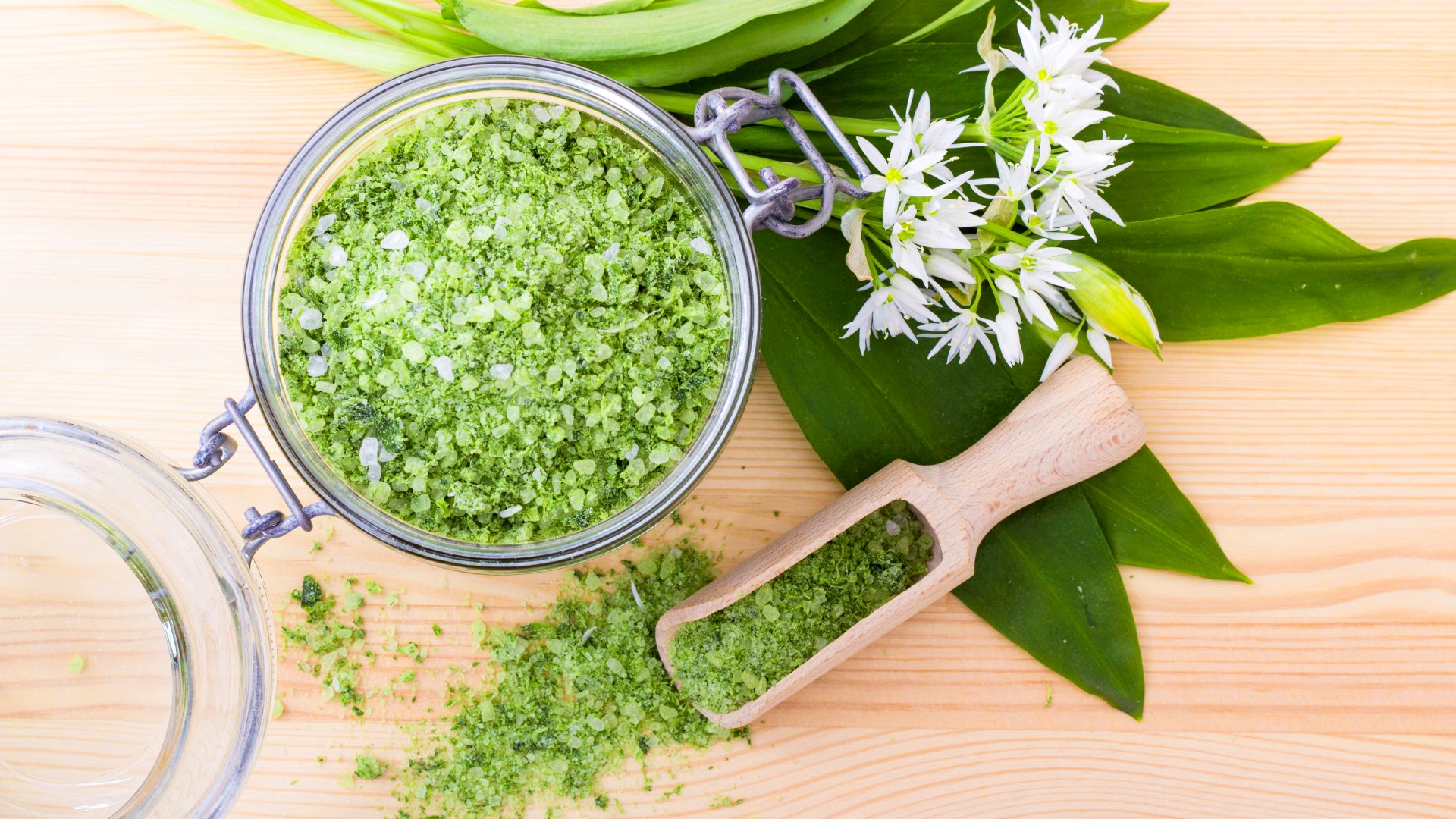
"Green Salt" .. A Low-Sodium Alternative That May Help Lower Blood Pressure
"Green salt" is highlighted as one of the modern dietary alternatives to traditional table salt, amid growing global interest in reducing sodium intake and improving heart health.
Health reports, including from the site “Verywell Health,” indicate that it may contribute to lowering blood pressure, but it should be approached with caution and not considered a standalone treatment.
What is "Green Salt" and How is it Made?
"Green salt" is not a specific scientific term, but is used to describe a range of salt alternatives derived from plants, herbs, or seaweed.
It is typically characterized by:
- Lower sodium compared to regular table salt
- Contains potassium
- Rich in some minerals and antioxidants
This composition makes it a viable option for those looking to reduce salt in their daily diet.
How Do Sodium and Potassium Affect Blood Pressure?
The potential impact of "green salt" on heart health is linked to its different nutritional composition compared to traditional salt:
- Increased sodium leads to fluid retention in the body
- Fluid retention increases blood volume and raises blood pressure
- Potassium helps relax blood vessels
- It also contributes to reducing the effects of sodium in the body
Therefore, reducing sodium and increasing potassium may positively affect blood pressure levels.
What Do Studies Say About Salt Alternatives?
Scientific analyses suggest that replacing traditional salt with low-sodium alternatives may lead to:
- A reduction in systolic blood pressure by about 4.7 mmHg
- A reduction in diastolic blood pressure by about 2.4 mmHg
This effect has been observed even in individuals without high blood pressure, emphasizing the importance of reducing sodium overall in the diet.
The American Heart Association recommends that sodium intake should not exceed 2300 mg per day, with a preference to reduce it to 1500 mg for heart health.
Potential Benefits .. But Evidence on "Green Salt" is Limited
Despite the growing interest, direct scientific evidence regarding "green salt" specifically remains limited, as most findings are based on studies of sodium reduction in general rather than this specific product.
Some research indicates that the salicornia plant used in some types of green salt may contain compounds with antioxidant and anti-inflammatory properties, in addition to potential effects on blood sugar regulation.
Warnings: Not Suitable for Everyone
Health experts warn that "green salt" may not be suitable for certain groups, especially:
- Kidney patients
- Individuals taking medications that affect potassium levels
Increased potassium in the body may lead to health complications in these cases.
Experts also emphasize the necessity of not relying on it as a complete alternative or standalone treatment for high blood pressure without medical consultation.
Conclusion: A Helpful Option Within a Healthy Lifestyle
"Green salt" can be considered a helpful option within a balanced diet aimed at reducing sodium intake and improving heart health.
However its effect on blood pressure remains linked to the overall diet and healthy lifestyle, and it is not an independent solution for treating high blood pressure.