Gulf Concerns Over Iran's Missile Capabilities Despite U.S. Military Buildup
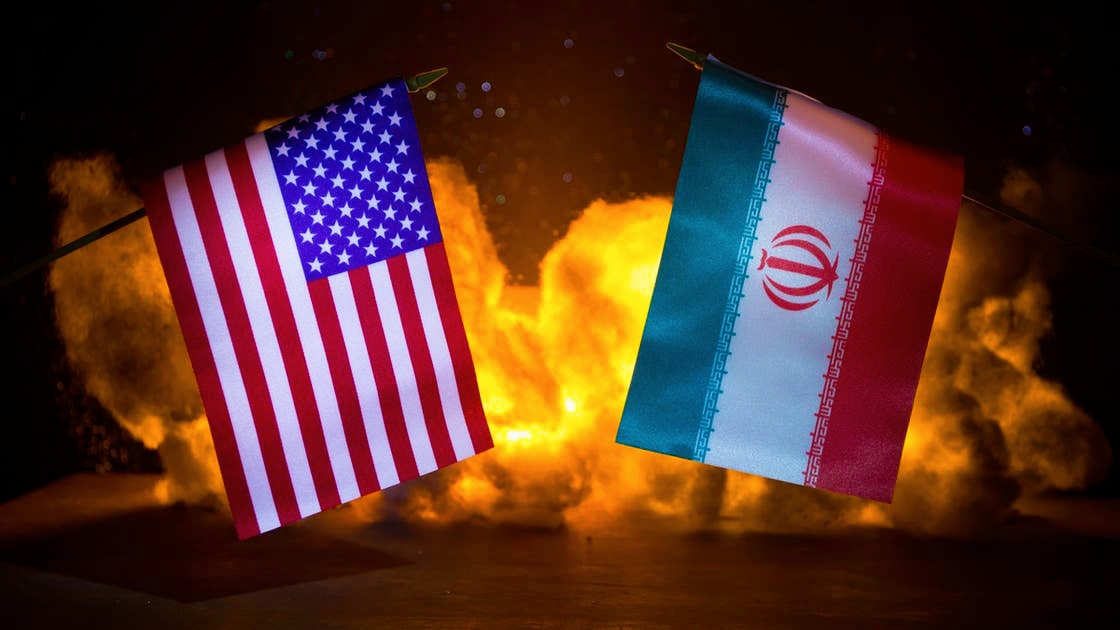
A Western intelligence report and analyses from Western officials revealed rising concerns among regional countries about Iran's ability to launch strong strikes against U.S. interests in the Gulf, despite the extensive military buildup led by President Donald Trump's administration.
International assessments confirmed that Iran's missile program, despite the losses it incurred during the confrontation with Israel last June that lasted 12 days, still retains its core elements, as Tehran has successfully rebuilt vital capabilities, especially in rugged mountainous areas that are difficult to target, according to the Washington Post.
In striking remarks, former Iranian diplomat Amir Mousavi stated that Iran has doubled its missile production since the June war, warning of the difficulty in accessing the mountainous fortifications that rise thousands of meters high.
Sources indicated that Tehran has sent implicit messages to Washington's allies, suggesting that any future retaliatory response would not be "symbolic or limited," but could target U.S. military bases scattered throughout the Gulf, which host tens of thousands of soldiers.
Expert David Des Roches warned that Iran possesses missiles that outnumber the air defense systems of the Gulf Cooperation Council countries, cautioning against the possibility of "overwhelming" these defenses, which suffer from a lack of integration and connectivity.
On the political front, an Iranian diplomat confirmed that any negotiations under military threat are out of the question, describing Trump's conditions as "unrealistic," while European officials noted that U.S. pressures have contributed to unifying ranks within the Iranian regime, despite the internal disagreements that emerged during the violent crackdown on popular protests, where Tehran's unified message has become: "We are ready for total war."
Regionally, a Western official revealed that countries in the area are distancing themselves from any offensive moves, affirming to Washington their refusal to use their territory or airspace for any operations against Iran.
The report indicated that Washington's allies, despite their desire to see a gradual erosion of the Iranian regime, fear that any U.S. attack could lead to a sudden and brutal collapse that would plunge the region into total chaos, reinforcing the need for a "diplomatic exit" to avoid disaster.


