Global Flight Ticket Prices Rise as Fuel Costs Surge
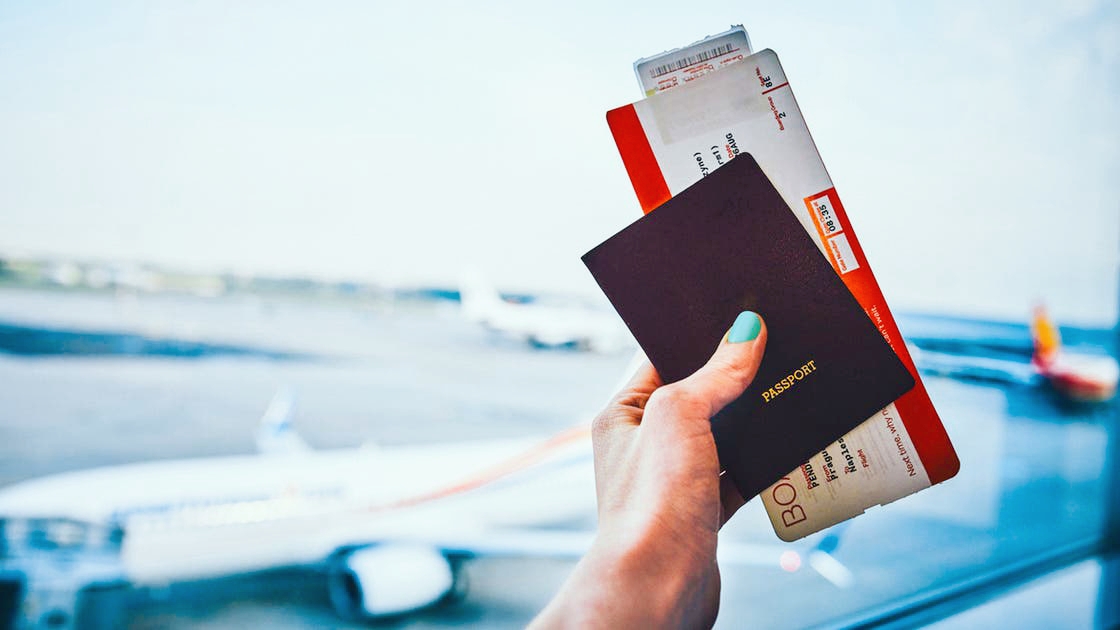
Airlines around the world have started to noticeably raise ticket prices after the increase in jet fuel prices due to the conflict in the Middle East, a move that confirms passengers are bearing the burden of rising oil prices.
Air New Zealand stated that it has raised domestic economy ticket prices by NZD 10 (USD 5.92) for short international flights and by NZD 20, while the increase for long-haul flights has reached NZD 90.
The company indicated that these increases may continue if fuel costs keep rising, and it has decided to suspend its financial forecasts for 2026 due to uncertainty related to the conflict.
Before the outbreak of the war, jet fuel prices ranged between USD 85 and 90 per barrel, but they suddenly surged to between USD 150 and 200 per barrel in recent days, leading to global travel disruptions and concerns of a deep recession in air travel.
In a related context, airlines in Vietnam are facing a sharp rise in operating costs, with increases of 60 to 70% due to rising fuel prices, prompting local airlines to urge authorities to eliminate the environmental tax on jet fuel to maintain their operations.
Although fuel supplies in New Zealand are currently stable, Air New Zealand is working closely with suppliers and the government to monitor global developments.
Fuel is the second-largest expense for airlines after wages, typically accounting for between one-fifth to one-quarter of operating costs.
The rise in oil prices and the closure of airspace in some areas have reduced capacity, significantly raising ticket prices on certain routes and forcing travelers to reconsider their travel plans ahead of the peak summer season.
For its part, Cirium, an aviation data analytics company, stated that Emirates, Qatar Airways, and Etihad Airways collectively transport about one-third of travelers from Europe to Asia and more than half of travelers from Europe to Australia, New Zealand, and the Pacific Islands.
South Korea's Hana Tour Service also announced the cancellation of all group trips that include travel to the Middle East, including flights passing through Dubai on their way to Europe, waiving cancellation fees for customers, while Thailand's Ministry of Tourism predicted that the country could lose about 595,974 tourists and revenues of up to 40.9 billion baht (USD 1.29 billion) if the conflict continues for more than eight weeks.
These developments highlight the profound impact that rising fuel prices and geopolitical conflicts can have on the global travel and tourism industry, with airlines forced to rearrange their routes and schedules to avoid conflict zones and fill remaining capacity on popular routes.

