Energy Prices Surge as Trump Seeks Urgent Solutions
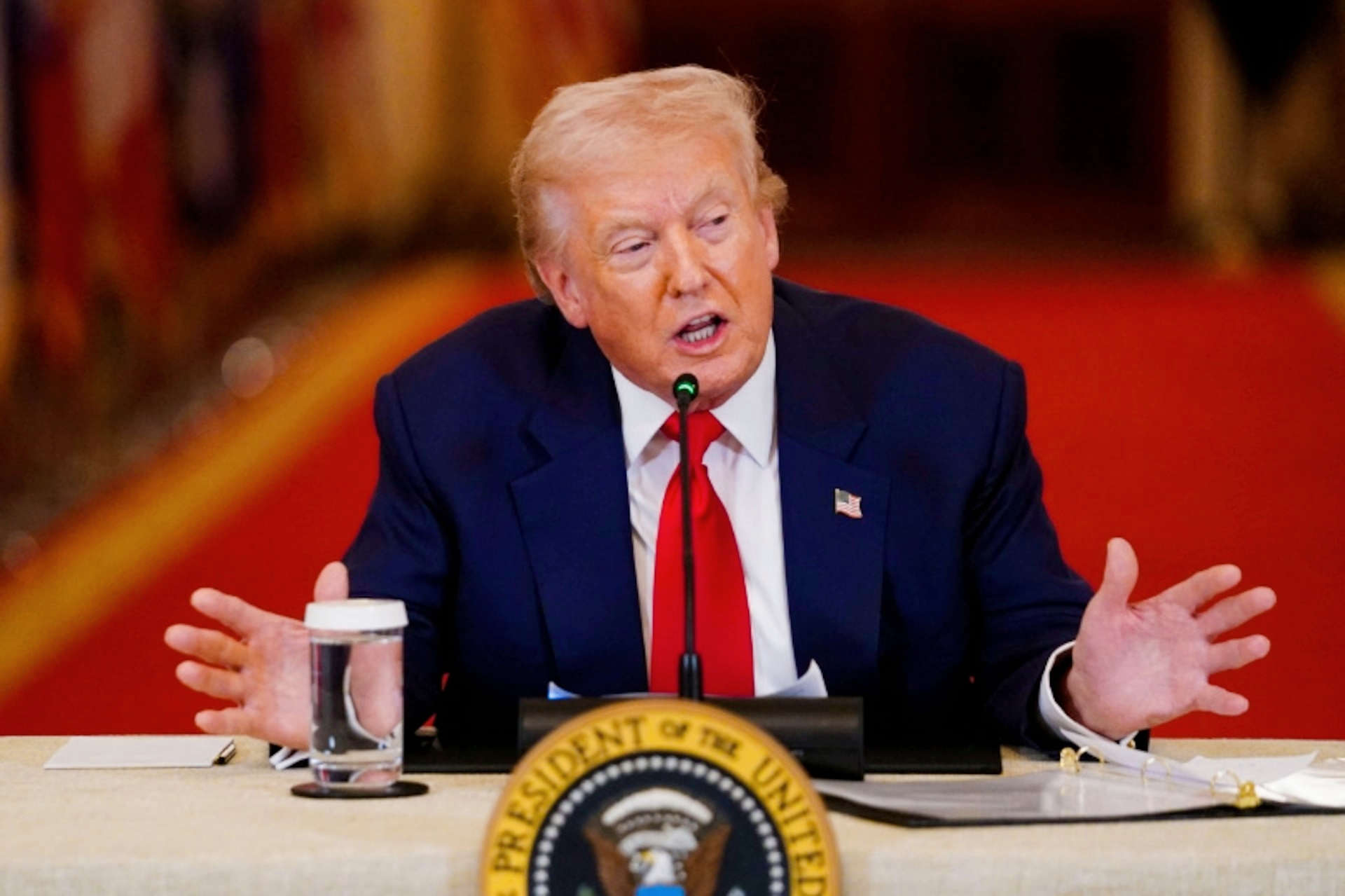
U.S. President Donald Trump is facing a real challenge in the global energy markets, with oil prices surpassing $100 a barrel due to the ongoing war in Iran.
Two informed sources said that Trump reviewed a range of strategic options yesterday, Monday, to control prices, in a move reflecting the White House's concerns about the impact of rising crude on American companies and consumers ahead of the midterm elections in November, during which the Republican Party seeks to maintain its control of Congress.
Options being discussed by U.S. officials, according to Reuters, include the possibility of a coordinated release of strategic reserves with the G7 countries, in addition to other measures such as restricting U.S. exports, intervening in oil futures markets, exempting certain federal taxes, and amending the Jones Act, which mandates that domestic fuel be transported only on U.S.-flagged ships.
At the same time, the White House has asked Gulf allies to support the resumption of oil production and shipping, amid fears that any unilateral U.S. actions may be symbolic or limited in effectiveness unless oil flow through the Strait of Hormuz is resumed, through which about one-fifth of global crude supplies pass, and remains a vital shipping corridor vulnerable to disruptions due to ongoing fighting.
White House spokesperson Taylor Rogers explained that the administration is in continuous coordination to ensure stability in energy markets, emphasizing that Trump and his team have a "strong plan" to review all reliable options before any escalation in the region.
In a post on his platform Truth Social, Trump downplayed the rise in prices, describing it as "temporary" and the "very low price" that the United States is bearing, adding that "only a fool" sees it differently.
Global oil prices have reached levels not seen since mid-2022, temporarily hitting $119 a barrel, causing gasoline and fuel prices to rise since the start of U.S. and Israeli strikes on February 28.
Analysts and industry officials confirm that the White House has limited options to quickly influence the markets unless the flow of oil tankers through the Strait of Hormuz is resumed, amid failed attempts to provide naval escorts and secure crude shipments.
These disruptions come at a sensitive time for President Trump, who is seeking to keep fuel prices low as a cornerstone of his economic campaign, amid fears that rising oil costs could affect the economy as a whole, from transportation prices to the daily consumption of American citizens.


