Eating bananas at this time may double their benefits for the body
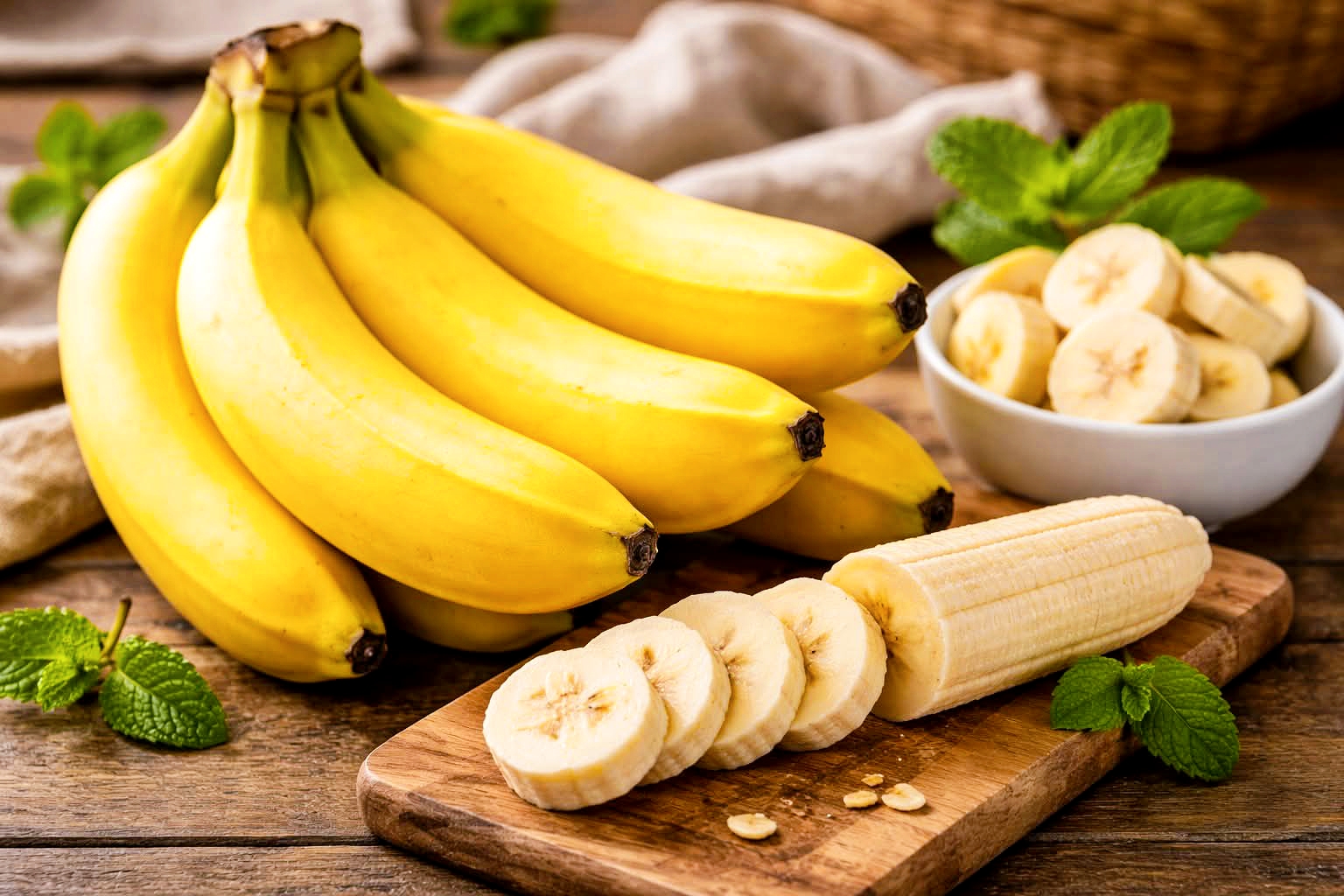
Bananas are a common fruit, but timing makes a difference
Bananas are among the most popular and accepted fruits, yet the timing of their consumption can play an important role in determining their benefits for the body.
According to a report from Verywell Health, there is no one-size-fits-all ideal time; it depends on the goal of consumption, whether for energy boost, improving digestion, or supporting weight control.
Bananas as a quick energy source before exercise or throughout the day
Bananas are considered a rich source of carbohydrates, which make up about 80% of their dry components, making them a quick source of energy.
Data indicates that the body needs about 15 to 30 minutes to digest these carbohydrates and convert them into blood sugar.
Therefore, it is recommended to consume them 15 to 30 minutes before exercise or during long workouts to support physical performance.
They can also be eaten in the morning or mid-day to avoid energy dips throughout the day.
Improving digestion and the role of fiber and resistant starch in bananas
Bananas contain about 3 grams of fiber per fruit, which helps improve bowel movement and supports digestive health.
Additionally, unripe bananas contain “resistant starch,” a type of carbohydrate that serves as food for beneficial bacteria in the gut, enhancing microbial balance within the digestive system.
Some data suggest that eating bananas with meals may be more beneficial for digestion, although there is no strong scientific evidence against consuming them at other times, including at night.
Appetite control and supporting weight management
Bananas can help reduce appetite when eaten about 30 minutes before meals, as they enhance the feeling of fullness and reduce overeating.
They are also relatively low in calories, with a medium banana containing about 105 calories, making them a suitable option within balanced diets.
Important warnings for diabetes and kidney patients
Despite their many benefits, excessive consumption of bananas, especially ripe ones, may lead to elevated blood sugar levels, particularly when eaten on an empty stomach.
Therefore, diabetes patients or those with kidney diseases are advised to consume them in moderation, due to their high carbohydrate and potassium content, which may require monitoring in these health conditions.
Conclusion: There is no one ideal time; the goal is the key factor
Data suggests that bananas can support energy, digestion, and appetite control, but their impact largely depends on the timing of consumption.
According to nutritional reports, choosing the right time to eat bananas should be linked to personal goals, whether to enhance activity, improve digestion, or support weight control, to achieve the best possible benefits.