Congress Vote Strengthens Trump's Military Campaign and Ignites Political Controversy
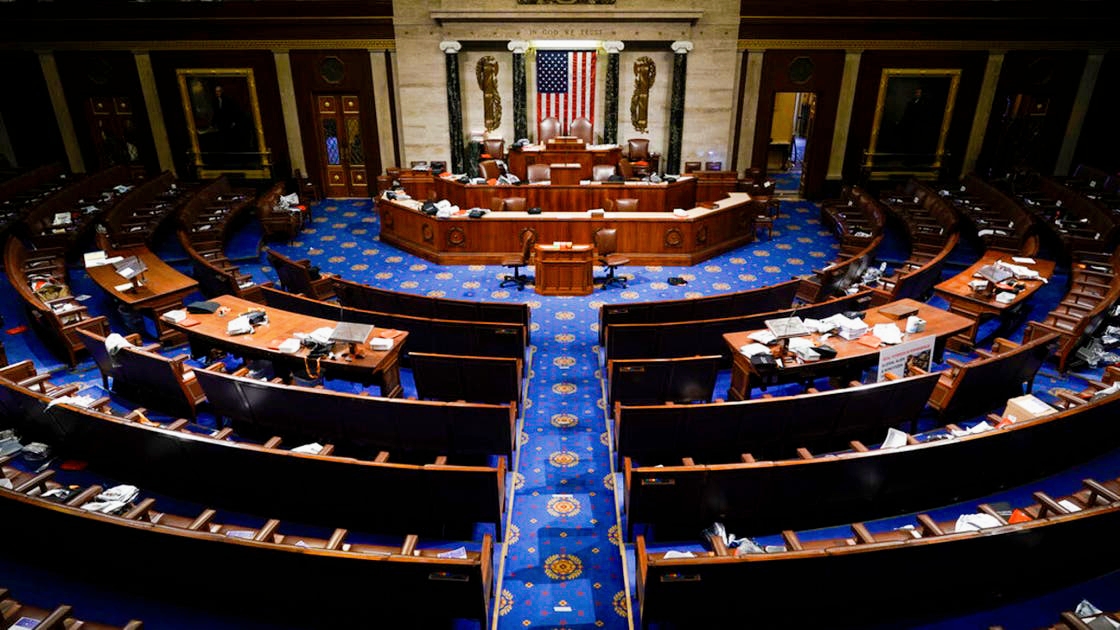
In a decisive vote within the U.S. House of Representatives, lawmakers yesterday, Thursday, rejected an effort to halt the air war ordered by President Donald Trump against Iran, including a requirement that any military action receive authorization from Congress.
This vote reaffirmed the House's support, which is narrowly controlled by Republicans, for the Republican president's military campaign on the sixth day of the conflict.
The vote ended with 219 votes in favor and 212 against, reflecting the sharp divide between Republicans and Democrats over this move.
Democrats faced strong criticism, as supporters of the resolution accused them of pushing the measure out of personal opposition to Trump rather than due to risks to Americans.
Representative Rick Crawford, chairman of the House Intelligence Committee, stated during the discussion of the resolution:
"We all know we wouldn't be here today if the president's name wasn't Donald Trump."
Supporters of the resolution described this step as an attempt to return Congress to a decision-making role regarding war, as stipulated by the U.S. Constitution, emphasizing the importance of defining legal and political responsibilities before any military escalation.
The region is experiencing unprecedented tension after the United States and Israel launched attacks on Iran on Saturday, resulting in the deaths of over a thousand people, including at least six American military personnel, causing widespread damage and instability throughout the Middle East.
Meanwhile, Representative Gregory Meeks, the senior Democrat on the Foreign Affairs Committee, warned that this war is "optional, initiated by this administration without authorization or clear objectives or a defined end, and without even explaining how the safety of Americans will be maintained."
These developments come amid rising regional tensions, as the United States seeks Ukraine's assistance to address threats from Iranian drones in the Middle East, reflecting the complexity of the conflict and the overlapping interests of major powers in the region.


