Bulgaria Officially Joins the Eurozone Amid Inflation and Political Concerns
December 28, 20251167 ViewsRead Time: 2 Minutes
Font Size
16
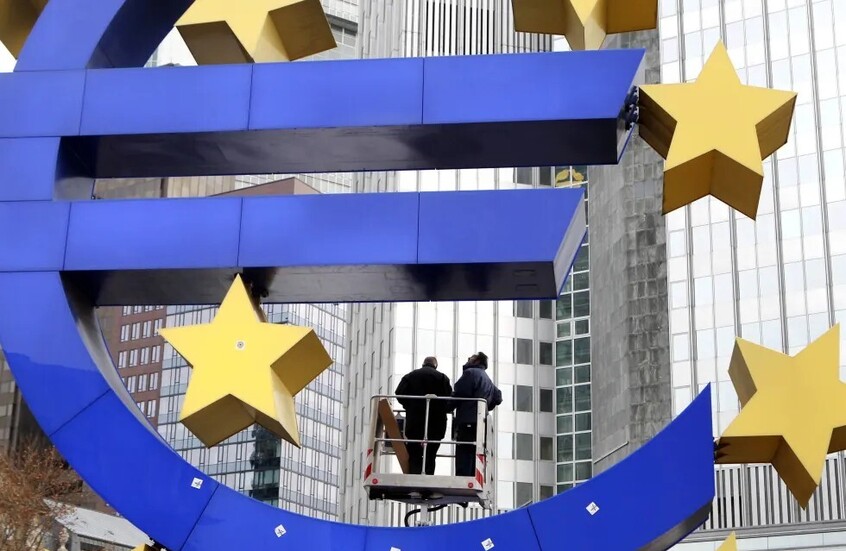
Bulgaria will join the Eurozone next Thursday, becoming the 21st country to adopt the single European currency, a move that some experts believe could exacerbate inflation and political instability in the country.
European Central Bank President Christine Lagarde confirmed that the economic benefits of adopting the euro would be significant, highlighting the facilitation of trade, lower financing costs, and price stability. She added that small and medium-sized enterprises could save about 500 million euros in foreign exchange fees, and any impact on prices would be "slight and short-lived," based on the experiences of previous EU countries, where it ranged from 0.2 to 0.4 percentage points.
Georgi Angelov, chief economist at the Open Society Institute in Sofia, explained that Bulgaria's accession would allow it to participate in decision-making within the monetary union, increase transparency, and facilitate price comparisons with other EU countries. However, he emphasized the importance of having a stable government for at least a year to ensure the full benefits of membership.
This accession comes after Croatia was the last country to adopt the euro in 2023. However, the process faced popular protests demanding the retention of the Bulgarian lev, especially in rural areas, where 49% of citizens oppose the transition to the single currency according to a Eurobarometer survey.
Bulgaria, with a population of 6.4 million, faces significant economic and political challenges following anti-corruption protests that led to the ousting of the previous coalition government, with the possibility of new parliamentary elections in the coming years.
Even before officially adopting the euro, the country recorded a 5% year-on-year increase in food prices in November 2025, more than double the Eurozone average, while real estate prices surged by 15.5% in the second quarter, three times the EU average.
.
In an attempt to reassure public opinion, the Bulgarian parliament has strengthened regulatory bodies to control sudden price increases and curb any unjustified hikes related to the transition to the euro.
In an attempt to reassure public opinion, the Bulgarian parliament has strengthened regulatory bodies to control sudden price increases and curb any unjustified hikes related to the transition to the euro.