Bangladesh: Minority Strategy Leads Tariq Rahman to a Landslide Victory in Legislative Elections
February 15, 202693 ViewsRead Time: 2 minutes
Font Size:
16
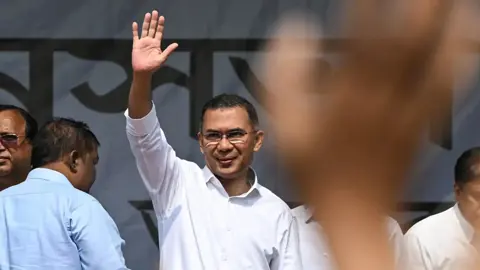
Tariq Rahman, the leader of the Bangladesh National Party, achieved a resounding victory in the legislative elections, with his party winning 209 out of 300 seats, in the first vote since the "July 2024 Revolution" that ended Sheikh Hasina's rule and the Awami League's 15-year dominance.
The Crucial Minority Paper
The party's policy towards minorities was considered a key factor in this victory, as Tariq Rahman assured Hindus, Buddhists, and Christians – who make up about 10% of the population – that they are equal citizens and not just an "electoral reservoir".
This was reflected in the increased turnout in minority-heavy constituencies like Dhaka, Chittagong, and Khulna, which contributed to Tariq Rahman's advantage over his competitors, including the Islamic party.
Steps to Enhance Inclusive Citizenship
The party adopted the July 2026 Charter, which was approved in a referendum coinciding with the elections, and calls for redefining citizenship on a comprehensive national basis, transforming the parliament within 180 days into a constituent assembly to draft a new constitution.
Tariq Rahman also bolstered his leadership image with visits to temples and meetings with religious leaders, and a speech focused on institutional state and development, in addition to targeting youth through economic programs that promote development and replace the term "minorities" with "equal Bangladeshis" to deepen the sense of citizenship.
Ongoing Challenges
Despite the landslide victory, Tariq Rahman faces several challenges, most notably the presence of extremist groups in parliament, difficulties in drafting the new constitution, and the Rohingya refugee crisis with over 1.2 million refugees from Myanmar, which poses a significant economic and security burden on the country.

