American and Iranian Escalation Before Nuclear Negotiations: Trump Warns and Tehran Responds
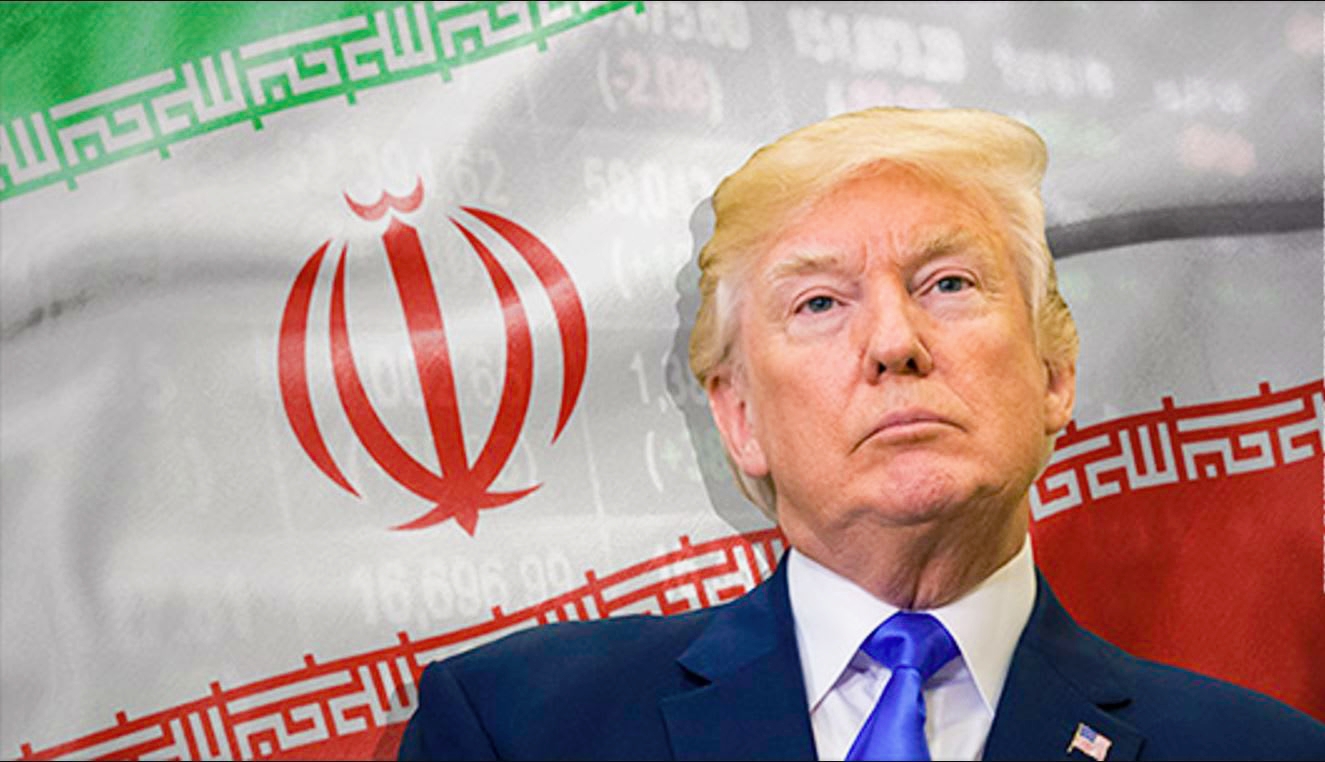
U.S. President Donald Trump warned Iran of "consequences" if no agreement is reached ahead of a new round of talks between the United States and the Islamic Republic in Geneva regarding Tehran's nuclear program.
In statements to reporters aboard Air Force One, Trump said:
"I will participate in those talks indirectly, and they want to reach an agreement, and I don't think they want to face the consequences of not reaching an agreement."
At the same time, the U.S. military is significantly increasing its air and naval presence in the Middle East ahead of the talks, with sources telling CNN that these moves aim to intimidate Tehran and provide potential options for military strikes should negotiations fail.
The movements included repositioning assets from the United Kingdom, including refueling aircraft and fighter jets, as well as sending air defense systems and extending orders for the presence of U.S. units that were set to withdraw soon.
However, the U.S. administration still lacks a clear vision of what will happen if the Iranian regime collapses, as U.S. intelligence agencies believe that the Iranian Revolutionary Guard will likely fill any leadership vacuum, noting the difficulty of accurately predicting what will happen in such a case.
On the eve of the second round in Geneva, Tehran is betting on what it describes as a "more realistic" shift in the U.S. position, alongside intensive diplomatic efforts and mutual pressure messages regarding enrichment, lifting sanctions, and the future of a potential agreement.
The Iranian Foreign Minister Abbas Araghchi arrived in Geneva and held "in-depth technical discussions" with the Director General of the International Atomic Energy Agency Rafael Grossi, before meeting with his Omani counterpart BadrAl-Busaidi to discuss the agenda for the round.
Araghchi emphasized on the platform "X" that his goal is to reach a "fair and just" agreement, stressing:
"What is not on the table is yielding to threats."
The Omani capital Muscat hosted indirect talks between the two sides on February 6, following repeated threats from Trump to launch military action against Iran in light of the bloody crackdown on recent protests.
For his part, U.S. Secretary of State Marco Rubio, during a visit to Hungary, noted the difficulty of reaching an agreement with Tehran, saying:
"There is a chance to reach a diplomatic agreement that addresses the issues that concern us, and we will be very open to that, but it will be extremely difficult."


