Trump Steps Back from Military Strike and Leaves Door Open for Negotiations with Iran
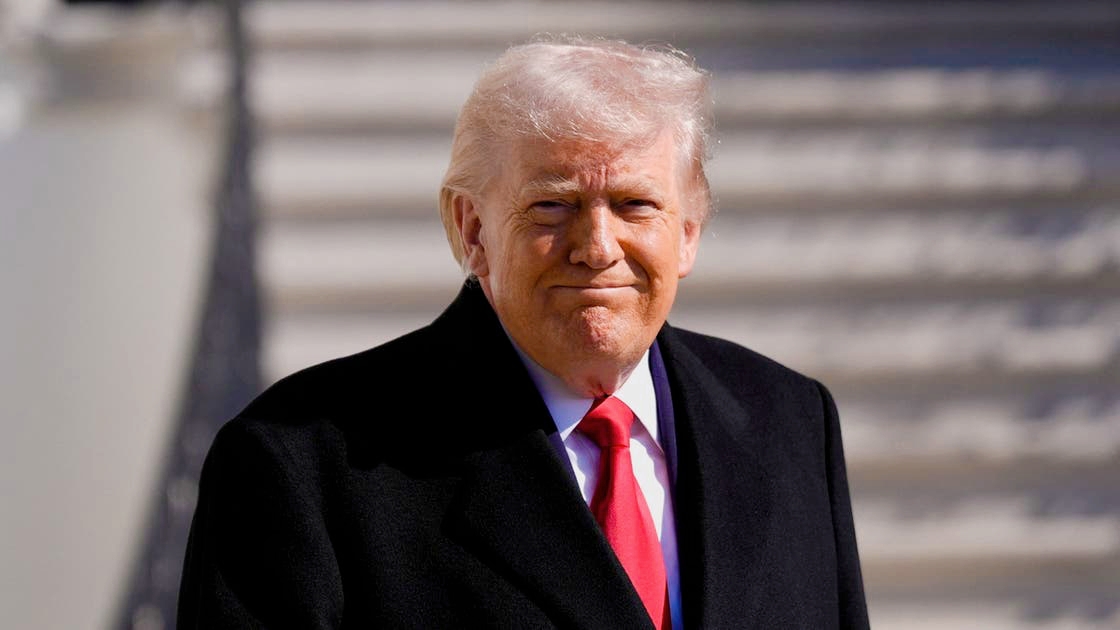
In a moment that seemed closer to the drums of war than ever, U.S. President Donald Trump chose to take a step back, postponing a potential military strike against Iran and allowing for what close aides described as "the last diplomatic opportunity."
* Warning of a Long War
According to two informed sources, the Chairman of the Joint Chiefs of Staff, General Dan Keen, informed the president and senior officials that any military campaign against Tehran could carry serious risks, primarily the possibility of slipping into a long-term conflict and incurring American casualties.
Although Keen had been a strong supporter of previous action against Venezuelan President Nicolás Maduro, he displayed greater caution this time.
One source described him as a "reluctant warrior" on the Iranian issue, given the complexity of the situation and the potential for escalation.
Another source emphasized that Keen does not oppose military action in principle, but he approaches the calculations of success and the aftermath of any strike with realism.
A senior official denied that the Chairman had made a direct objection, affirming that he would execute any decision made by the president.
In recent weeks, Keen was the only military leader to provide direct briefings to Trump regarding Iran, reflecting his significant influence on this sensitive issue.
* A Tight Circle and Critical Decisions
According to an American official, Trump formed a tight circle of advisors to study the available options regarding Tehran, similar to the mechanism he previously followed in considering action against Maduro.
The goal: To prepare alternatives that give the president flexibility to balance between maximizing influence and minimizing risks.
In contrast, the commander of U.S. Central Command (CENTCOM), Admiral Brad Cooper, was not invited to the meetings concerning the Iranian issue and has not met with the president since the crisis erupted in early January, according to a senior administration official.
* Division Within the Administration
The debate is intensifying at the highest levels of the U.S. administration; while some insiders believe that Trump was nearing the option of a military strike, one source confirmed that he agreed to give the diplomatic path an additional chance, while another stressed that the president wants to exhaust all options before making a final decision.
Within the tight circle, opinions vary; Trump's envoys, Jared Kushner and Steve Witkoff, are strongly advocating for restraint and giving diplomacy a wider space, believing that time may enhance Washington's negotiating position.
The two men plan to meet with Iranian Foreign Minister Abbas Araghchi in Geneva on Thursday, in an attempt to test the chances of a political breakthrough before any escalation.
* Cautious Positions
Vice President JD Vance also expressed concerns about being drawn into a complex conflict,
he does not outright oppose the strike, but raises serious questions about its costs and consequences, hoping that the Geneva talks will yield progress, despite his pessimism regarding the chances of reaching an agreement.
As for Secretary of State Marco Rubio, he chose a middle-ground position; he did not strongly push for the military option, nor did he explicitly oppose it, despite his traditionally hardline stance towards Iran.
* Between the Strike and the Last Opportunity
This is where Washington stands at a crossroads:
A military option carries the risks of getting involved in an open confrontation, or a diplomatic path that could be the last opportunity before an explosion.
So far, Trump seems inclined to keep all options on the table.
However, the decision to postpone the strike and give dialogue an additional chance reflects an awareness that any miscalculation could open a door that is difficult to close in a region that cannot afford a new war.


