The United States Accelerates Arms Sale to Israel Despite Congressional Objections
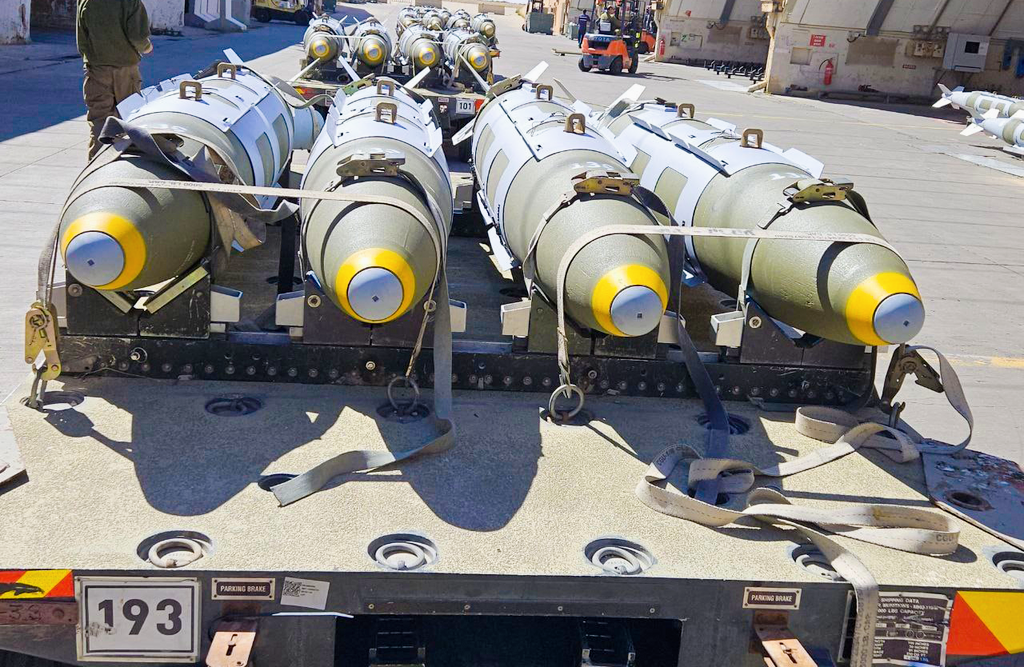
The United States announced the sale of more than 27 thousand "MK_80" bombs to Israel in a total deal worth approximately 660 million dollars, a move that has sparked a wave of criticism within Washington due to the administration's bypassing of usual congressional oversight.
* Deal via Emergency Declaration
The administration of President Donald Trump used emergency declaration powers to expedite the completion of the deal, justifying the need to support Israel in the face of rising tensions with Iran, which allowed it to bypass the review procedures mandated by the Arms Export Control Act in Congress.
* Massive Deal Details
• The deal includes more than 20 thousand bombs of various sizes from the MK_80 series.
• Among them are about 12 thousand “BLU_110” bombs, each weighing around half a ton.
• In addition to 10 thousand bombs weighing approximately 250 kg, and 5 thousand small-diameter bombs.
• It also includes extensive technical and logistical support throughout the execution of the deal.
* Partial Funding from Annual Aid
Israel is expected to fund part of this arms deal from the annual military aid it receives from the United States, which amounts to about 3.8 billion dollars annually.
* Turkish Company Overseeing Production in the U.S.
Official documents showed that the American company “Rebcon” in Texas, owned by a Turkish company, is the main contractor for the deal.
The Garland facility in Texas is the only plant in the United States capable of producing the bodies of these bombs, which are the basis for the precision-guided munitions known as “JDAM” used by U.S. forces and the Israeli Air Force.
* Congressional Criticism
This move has sparked widespread protests in the House of Representatives and the Senate, where Democratic lawmakers argued that the use of emergency powers diminishes Congress's role in overseeing sensitive arms deals.
Representative Gregory Meeks stated that this action reflects an unjustified haste in approving the sale, raising questions about transparency and parliamentary oversight.

