The Euro Falls and the Dollar Rises After Warnings from the U.S. Federal Reserve
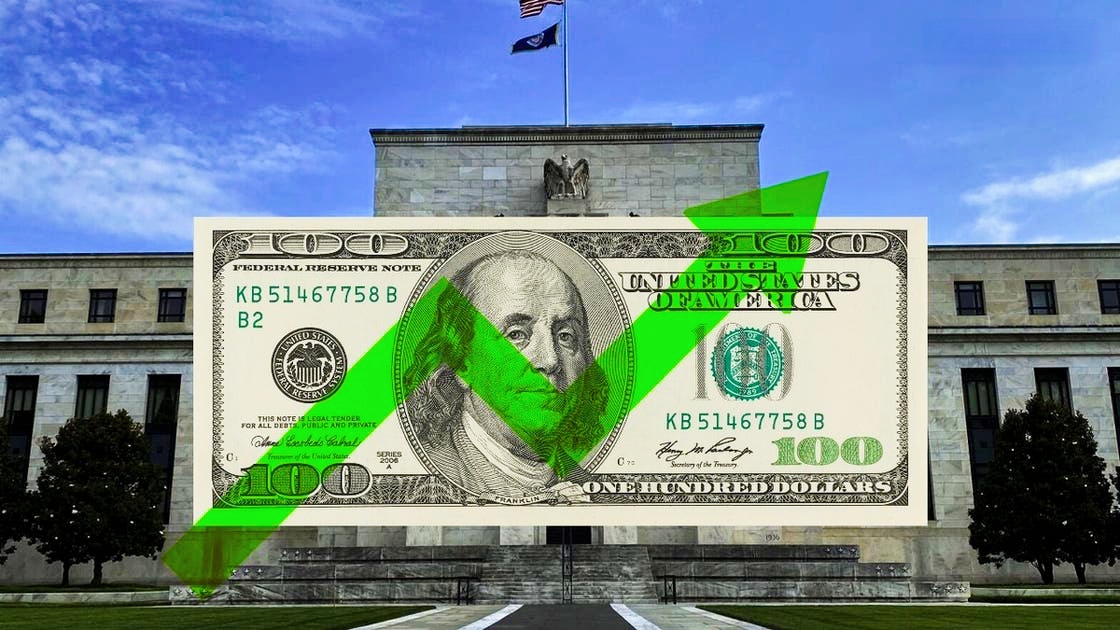
The U.S. dollar rose today, Thursday, after a wave of declines in recent days, following the release of the Federal Reserve's meeting minutes, which revealed that policymakers are not in a hurry to cut interest rates, with some expressing openness to raising them if inflation remains high.
Investors also felt concerned due to reports of a buildup of U.S. troops in the Middle East and the potential for conflict between the United States and Iran, which drove up oil prices and safe-haven assets.
In terms of currencies, the dollar held onto gains made yesterday against the euro and yen, with the euro remaining near the 1.1790 dollar level, while the British pound stabilized at 1.3482 dollars.
In Asian markets, the Aussie dollar held steady at 0.7050 dollars after data showed that the unemployment rate remained at 4.1%, its lowest level in several months.
The New Zealand dollar recorded its largest decline since tariffs were imposed last April, affected by warnings from the central bank about future interest rate hikes, losing about 1.4% to drop just below 0.60 dollars.
The Federal Reserve's meeting minutes showed a division among policymakers regarding the path of interest rates in the United States, indicating that the next Fed chair, set to take office in May, will face difficulties in lowering rates.
Peter Dragisvich, a currency analyst in the Asia-Pacific region at "Core Bay", said:
"There is no urgent need to cut interest rates again, at least until the current chair Jerome Powell's term ends in May."
The Japanese yen took an additional hit from the rising dollar, coinciding with the Trump administration's announcement of investment projects worth $36 billion in the first U.S. investments, as part of Japan's commitment to invest $550 billion in the United States.
The yen fell by 1% overnight, dropping to 155.25 against the dollar, after recording a level of 152 last week following Prime Minister Sanai Takahichi's overwhelming victory in the elections.
Trading in Asia was affected by public holidays in Hong Kong, China, and Taiwan, while the yuan stabilized at 6.90 against the dollar in offshore trading.
