German Chancellor: American Ambiguity Surrounds Post-War Plan in Iran
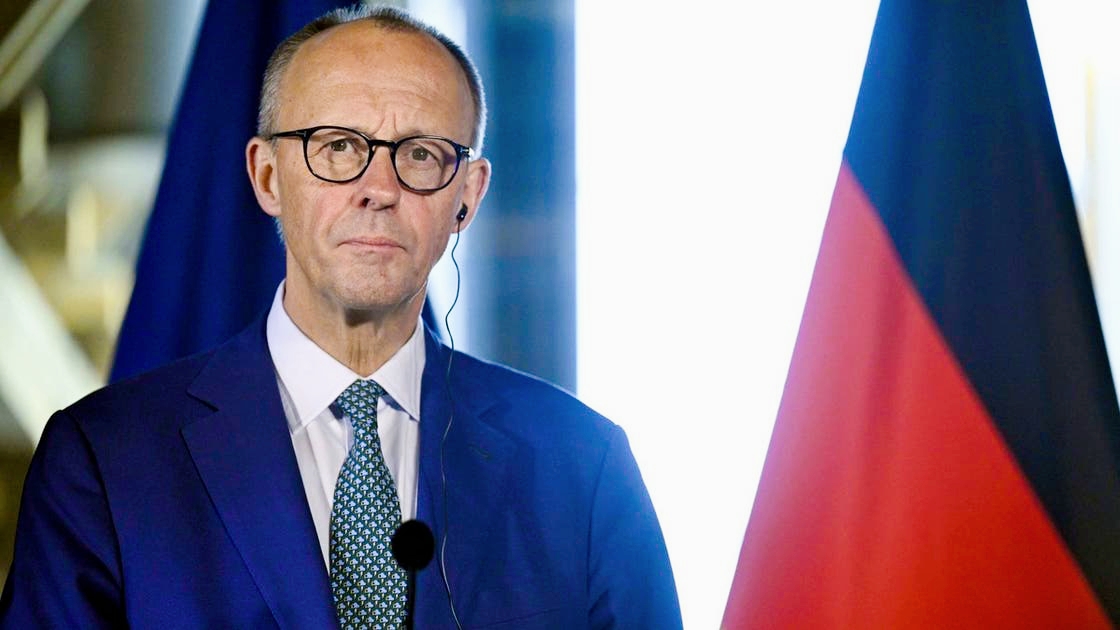
The German Chancellor Friedrich Merz confirmed that the United States does not yet have a clear vision for the post-war phase in Iran, revealing a "high degree of uncertainty" that he personally sensed during his meeting with U.S. President Donald Trump at the White House.
In an interview with German ZDF channel, Merz explained that the discussions that took place during the bilateral meeting yesterday, Tuesday, were "very open," but left many questions unanswered, particularly regarding the "next day" strategy in Iran and how the situation could evolve after military operations conclude.
* No Fragmented Agreements... Europe Has a Unified Position
In another sensitive matter, Merz firmly rejected Trump's threats to cut economic ties with Spain after the U.S. president publicly criticized Madrid during the meeting, accusing some European countries—including Spain—of misbehavior during the U.S. strikes against Iran.
Trump indicated that Spain refused to allow the use of its military bases in those strikes, hinting at the possibility of halting trade with Spain in response.
However, Merz was resolute in his stance, stating that he clearly informed Trump that a separate agreement with Germany could not be made, and that any agreement involving Europe must include Spain or not occur at all.
He emphasized that Spain is a member of the European Union, and any trade negotiations with the United States must be conducted collectively with all member states or not at all.
He added that targeting Spain with unilateral sanctions is unacceptable, asserting that EU countries are "in the same boat" and cannot be dealt with through a fragmented policy.
* Second Meeting and Direct Messages
The meeting that brought Trump and Merz together at the White House is the second of its kind since the German Chancellor took office, occurring at a highly sensitive time amid escalating tensions related to the war in Iran and its political, military, and economic repercussions.
Amid the ambiguity of the American vision for the post-war period and Berlin's insistence on a unified European stance against any trade pressures, it seemed that the meeting carried direct and decisive messages, reflecting clear disparities in calculations between the two sides of the Atlantic.


