Arms Control in Lebanon: Nawaf Salam's Plan Between Implementation and International Pressures
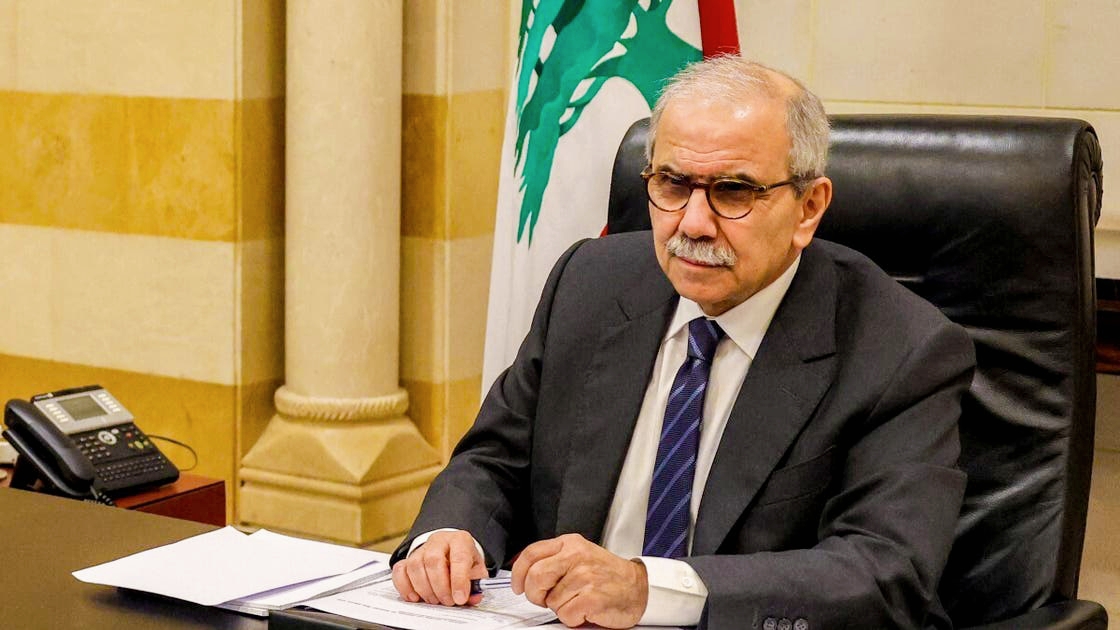
The Lebanese Prime Minister Nawaf Salam confirmed that the Lebanese state has regained full control over the south of the country, except for the points still under Israeli occupation, describing this achievement as a "historic event."
Salam announced that the second phase of the arms control plan could be implemented within four months if the appropriate conditions are met.
In an interview on Lebanese television to mark the one-year anniversary of his government's confidence vote, Salam stated that the government has "put the country on the right track after it was threatened with collapse," emphasizing that his government is acting as a foundational government to rebuild the state.
The Prime Minister noted that his visit to the south represents a real return of the state, while working to secure the resilience of the residents, stressing that "the state has returned to stay."
* Security Situation and Mechanism
Salam explained the need for the mechanism to continue as long as hostilities persist, noting that the American side has set three new dates for its convening, and that the mission of the concerned ambassador is not yet over.
He added that the red line for him is any action that could lead the country into a new adventure, praising the arms control plan south of the Litani River.
* November 2024 Agreement and the First Phase
After the military escalation between Israel and Hezbollah in 2024, understandings were reached in November of the same year that reaffirmed the implementation of Resolution 1701 south of the Litani.
According to the Lebanese government, the army completed the first phase of its plan by extending its control south of the Litani River, a step considered an important development in strengthening state authority.
The second phase includes the area between the Litani and Awali rivers, which is politically and security-sensitive.
The discussion of the four-month deadline comes amid international pressures, particularly from the United States, to push Lebanon towards practical steps for state monopoly on arms.
* Ongoing International Support
A conference is scheduled to support the Lebanese army and internal security forces in Paris, as part of international efforts to enhance the capabilities of official security institutions, paving the way for the state to implement the arms control plan, according to observers.

