After the Assassination of Saif al-Islam Gaddafi: His Team Demands an Urgent Investigation and the UN Envoy Remains Silent
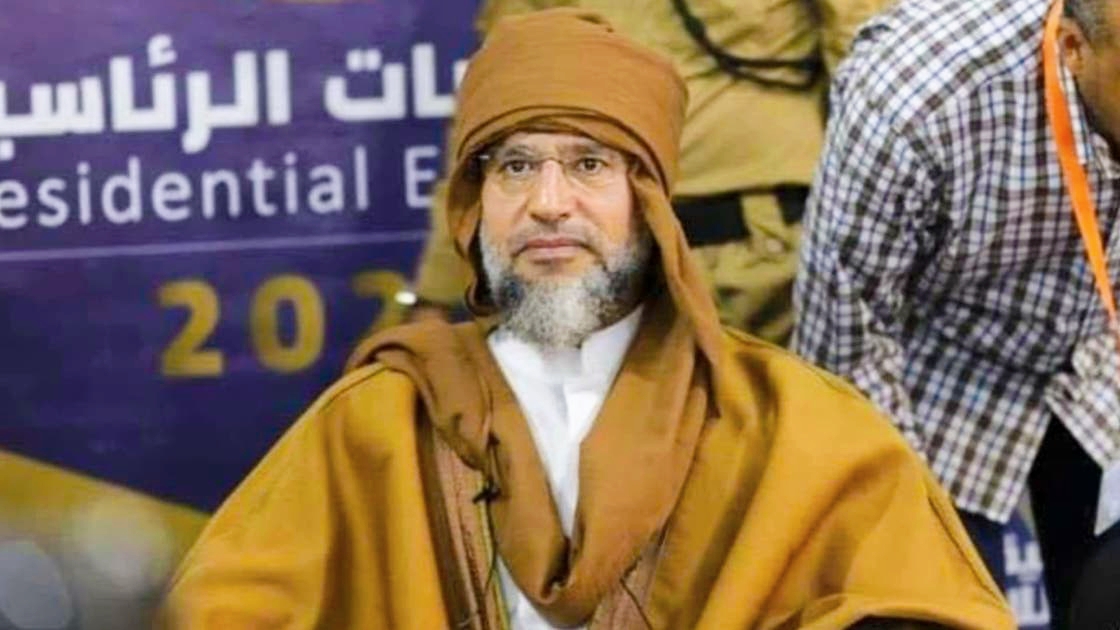
In a provocative move, Saif al-Islam Gaddafi's political team criticized the UN envoy to Libya, Hanna Titiyeh, after she notably ignored his prominent role in the dialogue and national reconciliation process in Libya.
This criticism came in a letter addressed to Titiyeh following her recent briefing to the Security Council, where she focused on the legal issues surrounding Saif al-Islam as he is wanted by the International Criminal Court.
The team stated in their letter: "The UN mission has been in continuous contact with Saif al-Islam and his political team over the past years, where he has actively contributed to attempts to resolve the political deadlock and seriously supported structured dialogue processes and the roadmap," emphasizing that Titiyeh's focus on his legal case at a sensitive time is a disregard for his positive role in the Libyan political arena.
However, the most controversial incident was the assassination of Saif al-Islam on February 3, 2026 at his residence in the city of Zintan, under circumstances that remain unclear.
While authorities continue their investigations, Saif al-Islam's political team demanded a transparent clarification regarding the circumstances of the crime, which they described as "an assassination with serious implications for the political process."
It is surprising that Titiyeh's briefing to the Security Council did not include any explicit condemnation of this assassination, which raised the team's astonishment, considering that this silence is unacceptable, especially since the incident represents a direct threat to the path of peace and national reconciliation.
In her comments, Titiyeh called for an urgent and transparent investigation into the incident.
Saif al-Islam, who had returned to the political scene in 2021 after years of absence, had seen his political ambitions realized with his attempt to run in the presidential elections.
Despite the failure of the elections that year, his political presence continued strongly through his team, which strongly supported national reconciliation efforts, promoting him as one of the prominent figures in these efforts, despite ongoing demands from the International Criminal Court for his surrender.
Amid widespread public demands for the disclosure of the investigation results into his assassination, the big question remains about who is behind this attack, and whether the incident will affect the prospects for political settlement in the country.
