Iranian Official: The European Sanctions Mechanism is "Ineffective" and Washington is the One Driving the Decision
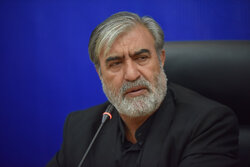
The head of the National Security and Foreign Policy Committee in the Iranian Parliament, Ibrahim Azizi, downplayed the decision of the European troika countries (France, Germany, and Britain) to activate the mechanism for re-imposing sanctions on Tehran, describing it as "ineffective".
This came during Azizi's meeting with the residents of Sadra city in Shiraz on Saturday, August 30, where he said, according to the Iranian news agency "Fars": "The trigger mechanism has no effect on the equations".
Azizi added, clarifying his country's position: "Europe, which is itself dependent on the United States, does not have a great capacity to support its issues, and the Snap Back mechanism also has no effect on the sanctions".
The Iranian official also criticized the West's stance on the nuclear agreement, pointing out that "the Westerners imposed extensive sanctions under the nuclear agreement and did not lift any of them despite their commitments," which diminishes the effectiveness of the "Snap Back mechanism" in his view.
Azizi considered that the European decision aims to "create a new space and role for itself, but the Americans ignored it," as he expressed.
Azizi's statement comes in the wake of escalating statements from Iranian officials in response to the European troika's decision, which was activated last Thursday, regarding the dispute resolution mechanism in the nuclear agreement (known in the media as the trigger mechanism or Snap Back), which theoretically allows for the re-imposition of United Nations sanctions on Iran.
Iranian President, Masoud Pishkian, acknowledged yesterday, Friday, the damage of the sanctions on his country, although he believed that their damage is "less than internal division".
On the other hand, Iranian Foreign Minister, Abbas Araghchi, warned that the European decision "will have severe consequences" and may lead to "suspending cooperation with the International Atomic Energy Agency".


