Oil Prices Rise Globally Amid Energy Supply Tensions in the Gulf
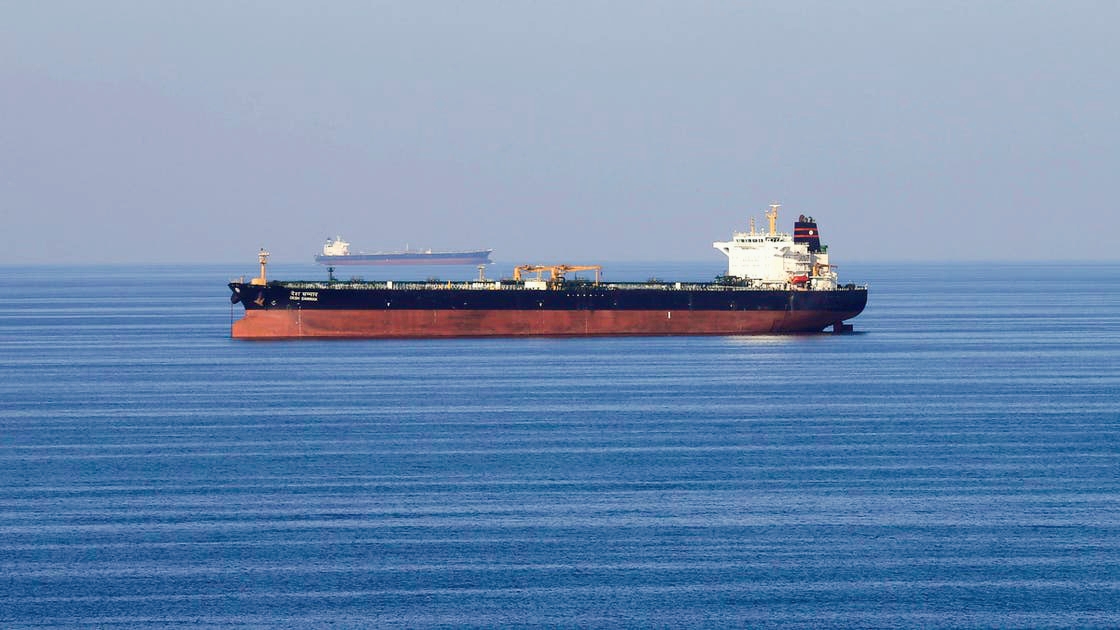
Oil prices rose by more than 5% at the start of today, Thursday, amid escalating fears of supply disruptions due to attacks on ships in the Strait of Hormuz, according to energy market data.
Brent crude recorded $91.98 per barrel, while West Texas Intermediate crude reached $87.25 per barrel.
Brent futures rose by 4.8% during Wednesday's trading, while West Texas Intermediate increased by 4.6%.
As Thursday's trading began, Brent crude climbed to $98.08 per barrel and West Texas Intermediate to $92.87 per barrel, amid ongoing tensions in the region and their impact on global energy markets.
Ongoing Attacks and Their Impact on Navigation
Reports from maritime security companies indicate that three more ships have been attacked in the Strait of Hormuz, bringing the total number of targeted vessels since the outbreak of the war in Iran to at least 14 ships.
Navigation in the strait has almost ceased since the U.S. and Israeli airstrikes on Iran on February 28, directly affecting about one-fifth of global oil supplies.
This halt has heightened market anxiety and contributed to rising prices amid ongoing expectations of instability in shipping in the coming days.
International Efforts to Address the Crisis
In an attempt to curb rising oil prices, the International Energy Agency recommended withdrawing 400 million barrels from oil reserves, the largest step of its kind historically.
This move comes as part of international efforts to control markets after prices surged by more than 25% since the war began, with the timeframe for withdrawing these reserves to be determined later.
These measures aim to calm the markets and provide additional liquidity to address supply shortages, but they still face challenges related to the situation in the Strait of Hormuz and surrounding security risks.
Impact of Attacks on Energy Infrastructure
The damage has not been limited to navigation; it has also affected the energy infrastructure in the region, as the Ruwais oil complex in Abu Dhabi was shut down following a fire caused by a drone airstrike.
This incident represents the latest disruption in regional oil production and increases pressure on supplies.
Meanwhile, Saudi Arabia is working to boost its exports via the Red Sea, relying on the Yanbu port to avoid production declines, while other countries like Iraq, Kuwait, and the UAE are trying to adapt to the situation by temporarily reducing their production.
Effect of the War on Global Oil Production
Data from Wood Mackenzie indicates that the war has led to a reduction in oil and its derivatives supplies from Gulf countries by about 15 million barrels per day, which could push crude prices to levels reaching $150 per barrel if the situation continues.
While Saudi Arabia is trying to compensate for the decline via the Red Sea, markets remain on alert for the future of global oil supplies, closely monitoring any developments that may affect energy prices in the coming days.
Conclusion
With escalating risks in the Strait of Hormuz and disruptions to global oil supplies, markets are moving toward a state of anticipation, as major producing countries strive to compensate for shortages and ensure supply stability.
Monitoring events in the region remains crucial for understanding trends in global oil prices and the future of energy markets in the coming days.
